
Texas Commercial Trucking Insurance: The Complete Guide for New Trucking Companies
Starting a trucking business in the Lone Star State is exciting, but before your trucks ever touch the highway, you need to understand Texas commercial trucking insurance. Whether you’re an owner-operator leasing your first tractor or launching a small fleet out of Fort Worth, Dallas, Houston, San Antonio, or Austin, getting the right Texas commercial trucking insurance in place is the single most important step between you and a profitable, compliant trucking operation. This guide was written specifically for new companies and first-time buyers who are just now shopping for coverage, so you can walk away understanding exactly what you need, what it costs, and how to get it without overpaying.
At Fort Worth Commercial Truck Insurance, we work with new authority holders every single week, and we know how overwhelming the process of buying Texas commercial trucking insurance can feel when you’re doing it for the first time. This article breaks everything down in plain language so you can make confident decisions for your business.
Why Texas Commercial Trucking Insurance Matters for New Carriers
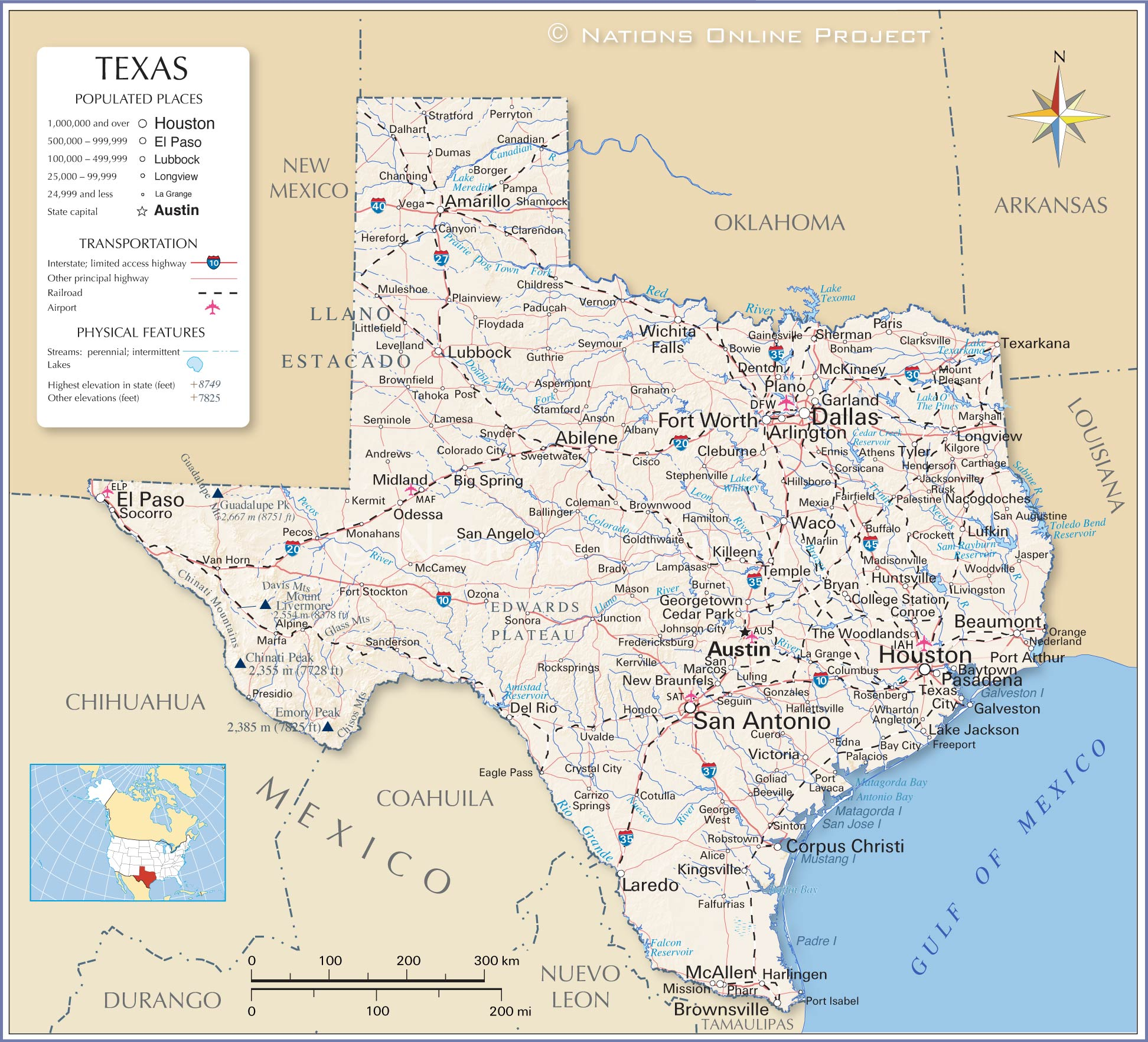
Texas is one of the busiest freight corridors in the country. Interstates like I-35, I-20, I-10, and I-45 move goods across the entire state and connect directly to Mexico’s busiest border crossings, which means Texas roads see an enormous volume of commercial truck traffic every single day. With that much freight movement comes real risk, and that’s exactly why Texas commercial trucking insurance exists: to protect your equipment, your cargo, your drivers, and your business from the financial fallout of an accident, theft, cargo loss, or lawsuit.
For a brand-new trucking company, the stakes are even higher. You likely don’t have years of cash reserves built up, and a single uninsured accident could end your business before it really starts. That’s why Texas commercial trucking insurance isn’t just a legal checkbox — it’s the financial backbone of your entire operation. Lenders, brokers, shippers, and motor carriers you lease onto will also require proof of coverage before they’ll do business with you, so having proper Texas commercial trucking insurance in place opens doors that would otherwise stay closed to a new carrier.
New trucking companies also face higher scrutiny from insurance carriers simply because they don’t have a loss history yet. This makes it even more important to work with an agency that understands how to properly present a new business to underwriters so you get fair pricing on your Texas commercial trucking insurance from day one, rather than getting stuck with inflated new-carrier rates that never come back down.
Texas and Federal Requirements Before You Get Your Authority
Before you can legally haul freight in Texas, you need to satisfy both state and federal insurance requirements. Understanding these minimums is the first step in shopping for Texas commercial trucking insurance, because your policy has to meet or exceed them before the Federal Motor Carrier Safety Administration (FMCSA) will activate your operating authority.
Federal Minimum Liability Requirements
- General freight carriers: $750,000 combined single limit liability
- Household goods movers: $750,000
- Oil and hazardous materials haulers: $1,000,000 to $5,000,000 depending on the commodity
- Passenger carriers: $1,500,000 to $5,000,000 depending on seating capacity
Texas-Specific Requirements
If you’re operating intrastate only (meaning you never cross state lines), the Texas Department of Motor Vehicles (TxDMV) sets its own minimum liability requirements, which can be lower than federal minimums but still must be documented through proper Texas commercial trucking insurance filings. Interstate carriers, on the other hand, must file proof of insurance directly with the FMCSA using forms like the BMC-91 or BMC-91X.
New trucking companies also frequently need:
- BOC-3 filings – process agent designation required in every state you operate in
- MCS-90 endorsement – an FMCSA-required endorsement attached to your liability policy
- UCR (Unified Carrier Registration) – annual registration for interstate carriers
- Cargo insurance – typically $100,000 in coverage, often required by brokers and shippers even though it isn’t federally mandated for all freight types
A knowledgeable Texas commercial trucking insurance agency will handle these filings for you or walk you through exactly what’s needed based on your authority type, commodity, and radius of operation. Getting even one of these filings wrong can delay your authority activation by weeks, so it pays to work with a team that does this every day.
Types of Coverage Included in Texas Commercial Trucking Insurance
One of the most common questions new trucking company owners ask is what actually falls under a Texas commercial trucking insurance policy. The truth is that “trucking insurance” isn’t one single product — it’s a package of coverages built around the type of truck you run and the freight you haul. Here’s a breakdown of the coverages most new carriers need to understand.
Commercial Auto Liability Insurance
This is the foundation of every Texas commercial trucking insurance policy. It covers bodily injury and property damage you cause to others in an at-fault accident. This is the coverage the FMCSA and TxDMV require before you can legally operate.
Motor Truck Cargo Insurance
Cargo coverage protects the freight you’re hauling if it’s damaged, destroyed, or stolen while in your care, custody, and control. Most brokers and shippers will not tender loads to a new carrier without proof of cargo coverage as part of their Texas commercial trucking insurance package.
Physical Damage Coverage
This includes comprehensive and collision coverage for your own truck and trailer. If you financed your equipment, your lender will almost certainly require physical damage coverage as a condition of the loan.
General Liability Insurance
While your commercial auto policy covers accidents involving your vehicle, general liability protects your business against claims that happen off the road — for example, a slip-and-fall at your terminal or property damage during loading and unloading.
Non-Trucking Liability (Bobtail Insurance)
If you lease onto a motor carrier, you’ll need non-trucking liability for the times you’re driving your truck for personal use or bobtailing without a trailer attached, since the motor carrier’s policy typically won’t cover you during that time.
Trailer Interchange Coverage
For carriers who regularly swap trailers with other companies, this covers damage to a trailer that isn’t yours but is in your possession under a trailer interchange agreement.
Specialty Coverage by Truck Type
New trucking companies come in all shapes and sizes, and Texas commercial trucking insurance needs to be tailored to the equipment you run:
- Box truck insurance protects owner-operators and fleets running 16’–26′ straight trucks for local and regional hauling, combining liability, physical damage, and cargo coverage into one policy.
- Dump truck insurance is built for the unique risks of hauling gravel, sand, asphalt, and debris, including higher exposure to rollovers and jobsite injuries on construction sites.
- Flatbed trucking insurance covers open-deck freight like steel, lumber, and machinery, with added protection for load securement and weather-related cargo risk.
- Fuel hauler insurance includes high-limit liability and environmental/pollution coverage for carriers transporting gasoline, diesel, and other petroleum products.
- Garbage truck insurance protects waste collection vehicles from the risks of frequent stops, heavy loads, and dense traffic.
- Hot shot insurance is designed for owner-operators running pickups and flatbed trailers on time-sensitive loads, whether intrastate or interstate.
- Tow truck insurance includes on-hook towing and garagekeepers coverage for wreckers and roadside assistance operators.
- Tractor-trailer insurance is the classic long-haul and regional policy combining liability, cargo, physical damage, and non-trucking liability.
- Cargo van insurance protects owner-operators and contractors running local delivery and courier routes.
Whatever equipment you’re starting with, a properly structured Texas commercial trucking insurance policy should be built around your specific truck type, commodity, and radius of operation — not a one-size-fits-all template.
What Determines the Cost of Texas Commercial Trucking Insurance
New trucking company owners are almost always shocked by their first insurance quote, and understanding why rates are set the way they are can help you plan your budget and avoid surprises. Several factors go into pricing Texas commercial trucking insurance, and most of them are within your control if you know what underwriters are looking for.
Experience and CDL History
New authority with an experienced driver behind the wheel will almost always price better than new authority with a brand-new CDL holder. Underwriters weigh driving experience heavily because it’s the single best predictor of future claims.
Radius of Operation
Local and regional carriers who stay closer to home typically pay less for Texas commercial trucking insurance than long-haul carriers who spend more hours on the road and cross more state lines.
Commodity Hauled
High-value or hazardous freight, like electronics or fuel, costs more to insure than lower-risk commodities like dry goods or building materials, since cargo claims tend to be larger and more frequent for high-value loads.
Equipment Age and Value
Newer trucks and trailers cost more to physically insure because replacement and repair costs are higher, but they can also come with fewer breakdown-related claims.
Coverage Limits and Deductibles
Higher liability limits and lower deductibles increase your premium, while carriers who can comfortably absorb a higher deductible often see meaningful savings on their Texas commercial trucking insurance.
Safety Score and Loss History
Since new companies don’t have a loss history yet, underwriters lean on your CDL holder’s personal driving record, any prior DOT numbers connected to the company’s owners, and safety technology like dash cams or ELDs.
How New Trucking Companies Can Get Affordable Texas Commercial Trucking Insurance
Getting your first policy doesn’t have to mean overpaying just because you’re new. Here’s how first-time buyers can find competitively priced Texas commercial trucking insurance without sacrificing coverage quality.
Work With an Independent Agency That Shops Multiple Carriers
Independent agencies that represent multiple insurance companies can shop your risk across several markets at once, rather than presenting you with a single take-it-or-leave-it quote. This is especially valuable for new authority, since not every insurance company is comfortable writing new carriers, and pricing can vary significantly from one carrier to the next for the exact same Texas commercial trucking insurance package.
Bundle Your Coverages
Combining liability, cargo, physical damage, and general liability into one package policy with a single carrier is often more affordable than buying each coverage separately, and it also simplifies your certificate of insurance requests when brokers ask for proof of coverage.
Choose the Right Deductible
If cash flow allows, opting for a higher deductible on physical damage coverage can meaningfully lower your monthly premium on your Texas commercial trucking insurance, as long as you keep enough reserve on hand to cover that deductible if a claim happens.
Invest in Safety Technology Early
Dash cams, GPS tracking, and electronic logging devices aren’t just compliance tools — many insurance carriers offer premium credits for trucks equipped with this technology, since it reduces both claim frequency and claim severity.
Maintain Accurate MCS-150 and Authority Information
Keeping your FMCSA registration, radius of operation, and commodity information accurate and up to date helps your agent match you with the right underwriter, which leads to more accurate — and often lower — pricing on your Texas commercial trucking insurance.
Ask About Payment Plans
New businesses often have tight cash flow in the early months. Many carriers offer monthly payment plans for Texas commercial trucking insurance instead of requiring a large lump sum down payment, which can make it much easier to manage your budget while your business gets off the ground.
Common Mistakes New Trucking Companies Make When Buying Texas Commercial Trucking Insurance
We see the same handful of mistakes over and over with first-time buyers of Texas commercial trucking insurance. Avoiding them can save you real money and real headaches down the road.
Waiting Until the Last Minute
Some new carriers wait until they’ve already been offered a load before shopping for coverage, which leaves no time to compare options and often results in rushed, overpriced policies. Start shopping for Texas commercial trucking insurance as soon as you know you’re pursuing your authority.
Underinsuring Cargo
Some new operators assume the standard $100,000 cargo limit is automatically enough, without considering the actual value of the freight they plan to haul. If you’re hauling high-value goods, talk to your agent about increasing your cargo limits.
Not Understanding the MCS-90 Endorsement
New owners are sometimes surprised to learn that the MCS-90 doesn’t provide additional coverage for the carrier — it exists to protect the public, and any payout under it typically has to be reimbursed by the carrier. Understanding this distinction is an important part of really knowing your Texas commercial trucking insurance policy.
Letting Coverage Lapse
A lapse in coverage, even for a few days between carriers, can seriously damage your ability to get affordable pricing in the future. Insurance companies view lapses as a red flag, so always make sure your new Texas commercial trucking insurance policy is active before canceling your old one.
Choosing Price Over Service
The cheapest quote isn’t always the best value. An agency that answers the phone, handles your filings correctly, and gets your certificates of insurance issued quickly is worth more than a few extra dollars saved upfront on Texas commercial trucking insurance with an agency that disappears after the sale.
Step-by-Step: How to Get Texas Commercial Trucking Insurance in Fort Worth
If you’re ready to get your new trucking company covered, here’s how the process typically works with a local agency that understands the Texas market.
- Gather your business information. Have your DOT number (or pending authority), EIN, driver’s CDL and MVR, and equipment list (VINs, values, and vehicle types) ready before you request a quote.
- Talk to an agent about your operation. Explain your commodity, radius of operation, and whether you’ll be running under your own authority or leased onto another motor carrier. This shapes exactly what your Texas commercial trucking insurance policy needs to include.
- Compare quotes across multiple carriers. A good agency will shop your risk across several insurance companies rather than giving you a single option, so you can compare coverage and pricing side by side.
- Review your coverage limits and deductibles. Make sure your liability limits meet federal and Texas requirements, and that your cargo, physical damage, and general liability limits actually match the value of what you’re protecting.
- Bind your policy and get your filings submitted. Your agency should handle your BOC-3, MCS-90, and any required state filings as part of setting up your Texas commercial trucking insurance, so your authority activates without delay.
- Request your certificate of insurance (COI). Once your policy is active, you’ll need a COI on hand any time a broker, shipper, or motor carrier asks for proof of coverage before tendering a load.
- Set up ongoing support. Trucking businesses change constantly — new trucks, new drivers, new commodities. Make sure your agency can make quick policy updates as your fleet grows, so your Texas commercial trucking insurance always matches your current operation.
Frequently Asked Questions About Texas Commercial Trucking Insurance
How much does Texas commercial trucking insurance cost for a new company?
Pricing varies widely based on experience, commodity, radius, and equipment, but new authority typically pays more than established carriers with a loss history. Working with an agency that shops multiple carriers is the best way to find competitive pricing on your first policy.
Do I need commercial trucking insurance before I get my DOT number?
You’ll need proof of insurance filed with the FMCSA before your operating authority can become active, so it’s smart to start shopping for Texas commercial trucking insurance as soon as you begin the authority application process.
Can I get Texas commercial trucking insurance with no experience?
Yes, though pricing and available markets may be more limited for brand-new CDL holders. Pairing a new driver with an experienced co-owner or safety measures like dash cams can help improve pricing.
What’s the difference between intrastate and interstate coverage requirements?
Intrastate carriers who stay entirely within Texas follow TxDMV minimum requirements, while interstate carriers crossing state lines must meet FMCSA minimums and file proof of insurance federally.
How fast can I get a certificate of insurance?
Many agencies, including ours, can issue same-day certificates of insurance once your Texas commercial trucking insurance policy is bound, and some even offer instant COI access through an online portal, which is especially helpful for new carriers who need to accept a load on short notice.
Will my rates go down after my first year?
For most new carriers, yes. Once you complete twelve months with a clean safety record and no claims, many insurance companies are willing to reduce pricing at renewal, since you’ve moved from an unknown risk to a carrier with an actual track record. Staying with the same agency and carrier during that first year, and keeping communication open about any changes to your operation, is one of the easiest ways to set yourself up for a lower renewal on your Texas commercial trucking insurance.
Do I need a separate policy for each truck in my fleet?
Not necessarily. Most Texas commercial trucking insurance policies are written to cover an entire fleet under one master policy, with each truck listed as a scheduled unit. This makes it easier to add or remove equipment as your business grows, without having to shop for a brand-new policy every time you purchase another truck.
Get Your Texas Commercial Trucking Insurance Set Up the Right Way
Launching a new trucking company in Texas is a big step, and having the right Texas commercial trucking insurance in place from day one protects everything you’re building. From understanding federal and state filing requirements to choosing the right coverage for your specific truck type, getting educated before you buy puts you in a much stronger position to negotiate fair pricing and avoid costly gaps in coverage.
Fort Worth Commercial Truck Insurance works with new authority holders across Fort Worth, Dallas, Houston, Austin, San Antonio, and the rest of Texas every day, helping first-time buyers navigate every step of the process — from DOT filings to certificates of insurance. If you’re a new trucking company shopping for Texas commercial trucking insurance, our team can shop multiple carriers on your behalf, explain your coverage options in plain language, and get your authority activated without delay.
Ready to get started? Call us today at (817) 842-9366 or request an online quote to get your Texas commercial trucking insurance policy in place before your first load hits the road.
