
Oversized and Overweight Insurance in Fort Worth, TX: What Every Hauler Needs to Know
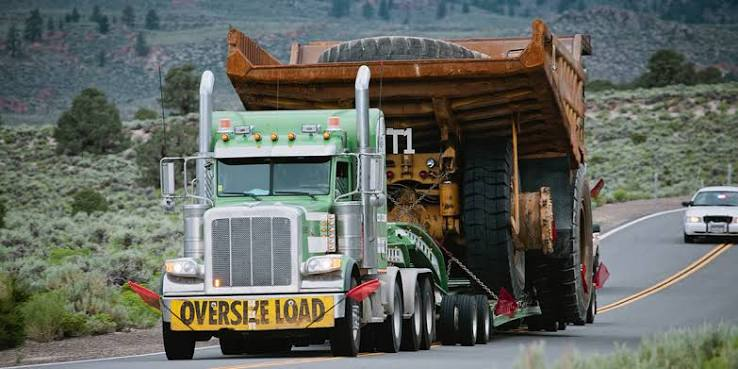
If you run permit loads in and out of the Metroplex, you already know that oversized and overweight insurance isn’t optional — it’s the difference between a profitable haul and a business-ending claim. Fort Worth sits at the crossroads of I-35W, I-20, I-30, and Loop 820, which makes it one of the busiest corridors in Texas for wide loads, superloads, and heavy-haul freight moving to and from the oilfields, the Alliance Corridor, and the DFW rail yards. Whether you’re pulling a lowboy stacked with construction equipment or a step-deck loaded with wind turbine blades, having the right coverage in place is what keeps your authority active, your permits valid, and your business protected when something goes wrong on the road.
In this guide, we’ll break down exactly what oversized and overweight insurance covers, why Fort Worth carriers face unique risk factors, what Texas DMV and TxDOT require, and how local owner-operators and fleets can find affordable, compliant coverage without getting stuck with a generic policy that wasn’t built for permit freight.
Why Fort Worth Truckers Need Specialized Coverage for Oversize Freight
Standard commercial auto policies are built around typical dry van or reefer freight — not a 12-foot-wide crane boom or a 90,000-pound piece of oilfield equipment. That’s why oversized and overweight insurance exists as its own specialty line. Fort Worth’s location makes it a natural staging point for heavy-haul companies serving the Permian Basin, the Eagle Ford Shale, and the wind energy farms across West Texas, and every one of those moves requires a policy that actually understands the risk involved in hauling permit freight through a growing metro area.
Without proper protection in place, a single incident involving an overwidth load — a bridge strike, a shifted load, an escort vehicle collision — can leave a trucking company facing six or seven figures in liability exposure. Texas roads see heavy oversize traffic daily, and local infrastructure like the Fort Worth Stockyards district, downtown overpasses, and the tighter turns around the Cultural District all add complexity that a standard auto policy was never designed to address. This is precisely why oversized and overweight insurance needs to be underwritten by a carrier and agency that actually understands heavy-haul risk, not just general trucking exposure.
Fort Worth has also seen steady growth in logistics and manufacturing activity over the past several years, with new distribution centers and industrial parks popping up along the Alliance Corridor and near Fort Worth Meacham International Airport. That growth means more permit freight, more wide loads sharing the road with commuter traffic, and more demand for haulers who carry the right documentation and coverage before they ever pull onto the highway.
What Does Oversized and Overweight Insurance Actually Cover?
A properly built oversized and overweight insurance policy typically bundles several coverage types into one package designed specifically around permit freight. Here’s what a strong policy should include.
Primary Liability Coverage
This is the foundation of any oversized and overweight insurance policy. It protects you if your rig, escort vehicle, or load causes bodily injury or property damage to a third party. Because oversize loads carry higher risk exposure — wider swing radius, longer stopping distances, and greater potential for catastrophic accidents — liability limits on these policies are often written much higher than a standard trucking policy, sometimes reaching $2 million or more depending on the commodity being hauled.
Cargo Insurance for High-Value Freight
Heavy-haul and oversize loads are frequently worth far more than standard freight. A single wind turbine blade, transformer, or piece of industrial machinery can be worth hundreds of thousands of dollars. This is why oversized and overweight insurance needs cargo limits that reflect the true replacement value of what’s on the trailer, not a one-size-fits-all cargo cap that leaves you underinsured the moment something goes wrong.
Physical Damage and Equipment Coverage
Lowboys, RGNs (removable gooseneck trailers), and specialized step-decks used for oversize hauling are expensive pieces of equipment. Comprehensive coverage should include comprehensive and collision protection sized to the actual value of your specialized trailers, not a generic flatbed valuation that undersells your equipment.
Escort and Pilot Car Liability
Most oversize and overweight permits in Texas require pilot cars or escort vehicles once a load exceeds certain width, length, or height thresholds. A comprehensive oversized and overweight insurance policy accounts for escort vehicle liability, whether you run your own escorts in-house or contract them out to a third-party pilot car service.
General Liability and Umbrella Coverage
Because oversize freight often involves job sites, staging areas, and interactions with the public — think detours, road closures, and utility company coordination — many Fort Worth companies add general liability and an umbrella policy on top of their base coverage for extra protection against large claims.
Non-Trucking Liability and Bobtail Coverage
If you’re an owner-operator leased to a motor carrier, you’ll want to make sure your oversized and overweight insurance also addresses non-trucking liability for the times you’re driving the tractor without a load or trailer attached.
Texas Permit Requirements That Affect Your Insurance
Texas has some of the most detailed oversize and overweight permitting rules in the country, and understanding them matters when you’re shopping for coverage, because your permit class often dictates your minimum insurance requirements.
The Texas Department of Motor Vehicles (TxDMV) issues permits for loads that exceed standard legal dimensions:
- Width: Loads wider than 8’6″ require a permit
- Height: Loads taller than 14′ typically require a permit, depending on the route
- Length: Loads exceeding standard combination length limits
- Weight: Gross vehicle weight exceeding 80,000 pounds on standard axle configurations
Superloads — the largest category, often exceeding 200,000 pounds or requiring specialized routing studies — bring even stricter requirements, and TxDMV frequently asks for proof of adequate insurance before releasing a superload permit. This is another reason oversized and overweight insurance should be handled by an agency that regularly works with heavy-haul carriers moving through Tarrant County and the broader DFW region, since permit-specific documentation requests are common and often time-sensitive.
If you’re running interstate oversize freight in and out of Fort Worth, you’ll also need to account for reciprocal permit requirements in neighboring states. Your provider should be comfortable issuing certificates quickly so you’re not stuck waiting on paperwork while a permit window closes, especially on jobs with tight scheduling around a customer’s project timeline.
Fort Worth Routes and Road Conditions That Affect Oversize Hauling
Local geography plays a bigger role in permit-load risk than many operators realize. Fort Worth’s road network includes a mix of older downtown infrastructure and newer suburban corridors, and each presents different challenges for wide, tall, or heavy freight.
Downtown and the Cultural District: Tighter turns, older overpasses, and higher pedestrian and vehicle density make oversize moves through central Fort Worth more complex, particularly during weekday rush hours.
I-35W Corridor: As one of the primary north-south routes through the Metroplex, I-35W carries heavy volumes of both commuter traffic and oversize freight heading toward the Alliance Corridor and points north toward the Metroplex’s growing logistics hubs.
Loop 820 and Airport-Adjacent Routes: Freight moving near Fort Worth Meacham International Airport or looping around the city on 820 often intersects with construction zones, which can change clearance heights or lane configurations with little notice.
Rural Routes West of Fort Worth: Heading toward the Permian Basin or wind farm installations, drivers face open stretches with high wind exposure — a real factor for tall, wide, or high-profile loads.
Understanding these regional quirks is part of why local expertise matters when structuring a policy. An agency that knows Tarrant County routing, seasonal traffic patterns, and regional construction activity can help you anticipate risk before it becomes a claim.
Common Risks That Make Oversized and Overweight Insurance Essential
Bridge Strikes and Overhead Clearance Issues
Fort Worth’s older infrastructure, especially around downtown and the Stockyards, includes overpasses and rail crossings with clearance restrictions that catch inexperienced haulers off guard. A bridge strike involving an oversize load can trigger claims from the load owner, the trucking company, the bridge authority, and even third-party vehicles caught in the aftermath — all reasons oversized and overweight insurance liability limits need to be substantial.
Load Shift and Securement Failures
Oversize freight is often irregular in shape, which makes proper securement more difficult than with standard palletized freight. A shifted load on I-35W during rush hour can cause a multi-vehicle incident, and strong cargo and liability protection is what keeps that kind of event from becoming an existential threat to your business.
Escort Vehicle Accidents
Pilot cars and escort vehicles are extensions of your operation, and accidents involving escorts are treated seriously by regulators and insurers alike. Oversized and overweight insurance should explicitly address escort vehicle liability so there’s no coverage gap if an escort is involved in a collision while accompanying your load.
Route Deviation and Permit Violations
Deviating from an approved permit route — even briefly, even for a detour — can void certain protections and create liability exposure. Carriers who take permit compliance seriously also invest in route-planning tools and driver training to minimize the chance of an unpermitted move.
Weather and Wind Exposure
Wide and tall loads catch wind, and Texas is no stranger to sudden gusts, especially across the open stretches west of Fort Worth. High-profile freight like wind blades and modular buildings are especially vulnerable, which is one more reason oversized and overweight insurance needs to reflect the true risk profile of what you’re hauling, not a generic flatbed rate.
How Much Does Oversized and Overweight Insurance Cost in Fort Worth?
Pricing for this type of specialty coverage varies widely based on several factors:
- Commodity type – Hauling steel beams is priced differently than hauling a mobile home or an oilfield rig component.
- Trailer type – RGNs, extendable trailers, and multi-axle configurations carry different physical damage rates.
- Driver experience – Heavy-haul experience and a clean CDL record can meaningfully lower premiums on a permit-freight policy.
- Radius of operation – Local Tarrant County moves are rated differently than long-haul superloads crossing multiple states.
- Claims history – A clean loss run is one of the fastest ways to bring down cost at renewal.
- Liability limits selected – Higher limits mean higher premiums, but they also mean real protection against a catastrophic claim.
Because so many variables affect pricing, it’s worth getting a quote that’s tailored to your actual operation rather than relying on a rough industry average. An experienced agency can shop your risk across multiple carriers that specialize in heavy-haul and permit freight, which often results in better pricing than what a generalist agency can find.
Working with Local Escort and Pilot Car Companies
Most Fort Worth oversize haulers don’t operate in isolation — they coordinate closely with escort and pilot car companies to move loads safely through permitted routes. Building a good working relationship with a local escort provider is part of managing your overall risk profile, and it’s worth discussing with your insurance agency during the underwriting process.
Escort companies working the Tarrant County area are familiar with the same clearance restrictions, construction detours, and high-wind stretches that affect your own routing decisions. When your escort provider and your insurance provider are both looped in on how a load will move, it becomes easier to spot potential gaps before they turn into claims. Some carriers even request documentation showing that a qualified escort service was used on a given move, particularly for superloads or loads requiring multiple escorts front and rear.
If you contract escort services rather than running them in-house, make sure your agreement clearly states who carries liability for the escort vehicle itself. This is a detail that’s easy to overlook until an incident happens, and it’s exactly the kind of gap a knowledgeable agency will catch during a coverage review.
Seasonal Considerations for Oversize Freight Around Fort Worth
Texas weather swings hard across the calendar year, and that has real implications for anyone moving wide or tall loads through the region. Spring storm season brings sudden high winds and hail risk across North Texas, which can affect both driving conditions and physical damage exposure for trailers and equipment sitting at a staging yard. Summer heat can affect tire performance on heavily loaded axles, especially on long hauls out toward West Texas. Winter occasionally brings ice events that shut down major routes like I-35W and I-20 for hours at a time, which can throw off permit windows and force last-minute rescheduling.
None of these factors change the fundamentals of what a strong policy should cover, but they do reinforce why working with a Fort Worth-based agency that understands regional seasonality is valuable. A provider who knows that spring hail season increases physical damage claims, or that summer construction projects reroute traffic near the Stockyards, can help you plan ahead rather than react after a loss.
A Simple Checklist Before You Haul Your Next Permit Load
Before your next oversize or overweight move rolls out of Fort Worth, run through this quick checklist:
- Confirm your TxDMV permit matches the exact dimensions and weight of the load
- Verify your escort or pilot car requirements for the specific route
- Double-check that your policy’s liability limits match the commodity value
- Confirm cargo coverage reflects the true replacement cost of the freight
- Make sure your certificate of insurance is current and matches permit documentation
- Review your route for known clearance restrictions, construction zones, or wind-exposed stretches
- Confirm your agency can issue an updated COI quickly if plans change
Working through this list before departure helps prevent the kind of last-minute scramble that leads to compliance gaps — and it’s a habit that pairs naturally with carrying solid oversized and overweight insurance in the first place.
Choosing the Right Agency for Oversized and Overweight Insurance in Fort Worth
Not every insurance agency understands the nuances of permit freight, and that’s a real problem when you’re trying to bind coverage before a load is scheduled to move. Here’s what to look for:
- Specialization in heavy-haul and specialized trucking — an agency that already writes flatbed, lowboy, RGN, and oversize policies will move faster and ask the right underwriting questions.
- Access to multiple carriers — since needs vary so much by commodity and route, working with an agency that can shop several markets gives you leverage on both price and coverage terms.
- Fast certificate of insurance turnaround — permit deadlines and job-site requirements don’t wait, so your provider should be able to issue a COI same-day.
- Local knowledge of Fort Worth and Texas permitting — an agency familiar with TxDMV requirements, Tarrant County routing quirks, and regional bridge and overpass restrictions can help you avoid costly mistakes.
- 24/7 support — oversize freight often moves at night or during restricted hours to avoid traffic, so your oversized and overweight insurance provider should be reachable when you actually need them.
At Fort Worth Commercial Truck Insurance, we work with owner-operators and fleets across Tarrant County and the broader DFW Metroplex to build oversized and overweight insurance packages that actually match the freight being hauled. We shop your risk across multiple carriers, help you understand TxDMV permit requirements, and can issue a certificate of insurance quickly so you’re not left waiting when a load is ready to roll.
Frequently Asked Questions About Oversized and Overweight Insurance
Does my regular commercial truck insurance cover oversize loads? Usually not fully. Standard commercial auto and cargo policies often exclude or severely limit coverage for permit loads exceeding legal dimensions, which is exactly why dedicated oversized and overweight insurance exists as its own specialty line.
Do I need a separate policy for escort vehicles? In most cases, yes — or at minimum, an endorsement added to your primary policy that specifically addresses pilot car and escort liability.
What documentation does TxDMV require for superload permits? Requirements vary by load, but proof of adequate liability coverage is common, and your provider should be able to generate the documentation TxDMV requests without delay.
Can I get oversized and overweight insurance if I’m a new authority? Yes, though pricing and available markets may be more limited for new authorities. Working with an agency experienced in this niche can help new operators find a reasonable starting point while building a claims history.
Is oversized and overweight insurance more expensive than standard trucking coverage? Generally, yes, because the risk profile is higher. However, the right package is priced to reflect your specific commodity, equipment, and driving record rather than a blanket high rate.
Get a Fort Worth Oversized and Overweight Insurance Quote Today
If you’re hauling permit freight through Fort Worth, Tarrant County, or anywhere across Texas, don’t leave your business exposed with a policy that wasn’t built for the job. The right coverage from a team that understands heavy-haul risk means faster certificates, better pricing, and real protection when the unexpected happens on the road.
Fort Worth Commercial Truck Insurance is located at 1300 Summit Ave Suite 950, Fort Worth, TX 76102, and our team is available to help you shop oversized and overweight insurance across multiple carriers so you get coverage that actually fits your operation. Call us today at (817) 842-9366 or request an online quote to get your oversize freight properly covered before your next load hits the road.
