
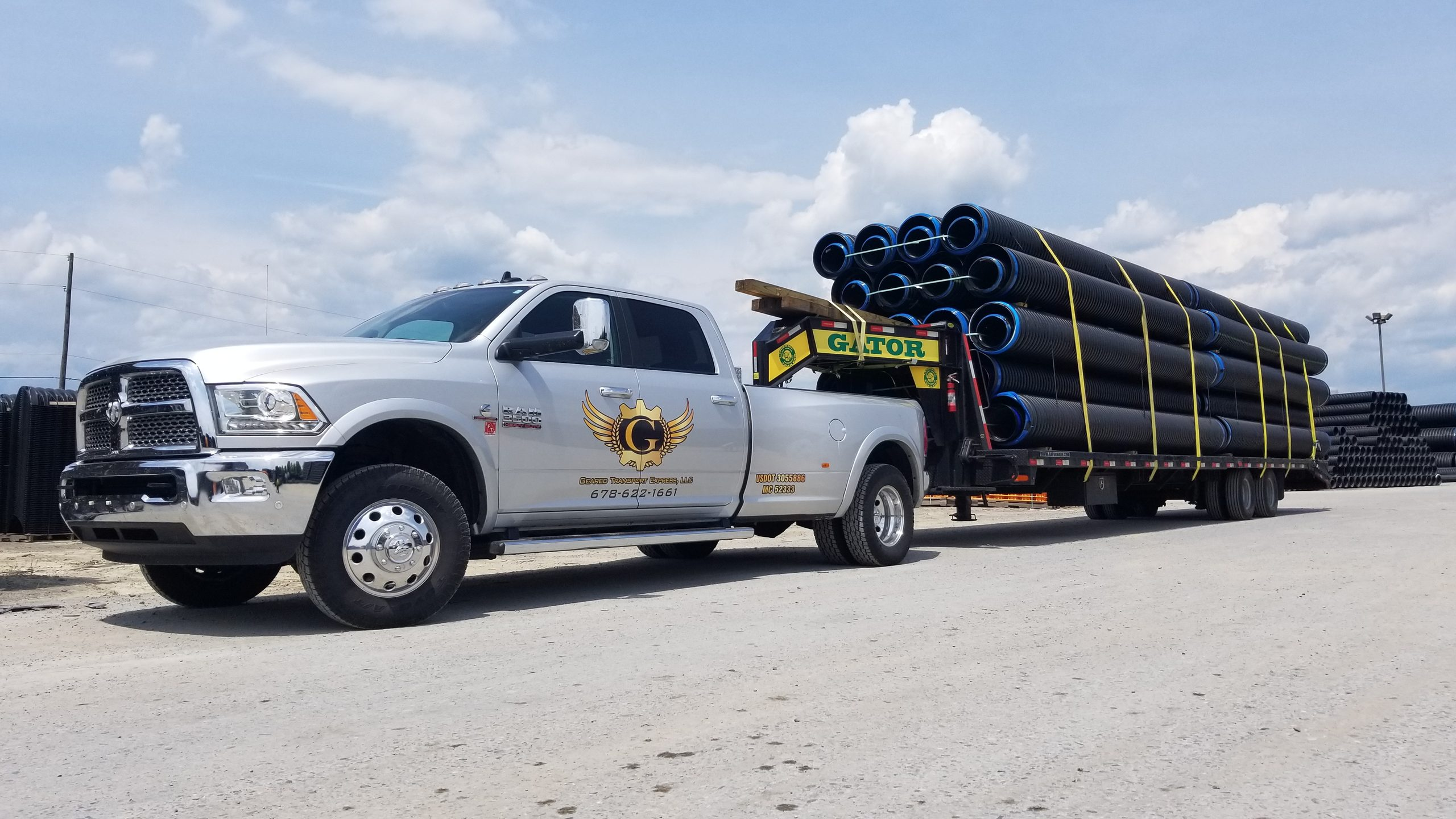
Hotshot Trucking Insurance in Fort Worth, TX: The Complete 2026 Guide
If you run a pickup and flatbed trailer out of the Fort Worth area, you already know that hotshot trucking insurance isn’t just paperwork — it’s the thing standing between you and a financial disaster on I-35W or I-20. Fort Worth sits at the crossroads of some of the busiest freight corridors in North Texas, and hotshot haulers here move everything from oilfield equipment to construction materials on a daily basis. Getting the right coverage in place is one of the smartest moves a Fort Worth owner-operator can make, and this guide walks through everything you need to know before you buy a policy.
Whether you’re brand new to hot shot hauling or you’ve been running loads for years, this guide breaks down what a hotshot trucking insurance policy actually covers, what it costs in the Fort Worth market, which state and federal rules apply, and how to shop smart so you’re not overpaying for protection you don’t need. By the end, you should have a clear picture of how to build coverage that fits your truck, your trailer, and the freight you haul every day.
Why Fort Worth Is a Hotspot for Hotshot Trucking
Fort Worth’s location in the heart of the Dallas-Fort Worth Metroplex makes it a natural hub for hotshot freight. Local shippers in construction, oil and gas, agriculture, and manufacturing constantly need small, urgent loads moved fast, and that’s exactly the niche hotshot trucking fills. Because so many operators are based here, demand for reliable hotshot trucking insurance has grown right alongside the industry itself.
Fort Worth’s proximity to the Permian Basin, the growing housing developments across Tarrant and Parker counties, and the industrial corridors along Highway 287 all create steady work for hotshot drivers. New subdivisions need lumber, appliances, and equipment delivered on tight schedules. Oilfield sites need parts and machinery hauled quickly when something breaks down. Manufacturers need overflow freight moved when a full tractor-trailer load doesn’t make sense. That steady freight volume is great for business, but it also means more time on the road, more exposure to accidents, and a bigger need for a policy that actually protects your truck, trailer, cargo, and income.
Add in the fact that Fort Worth traffic has grown substantially over the past decade, with more congestion on highways like I-30, I-820, and the Chisholm Trail Parkway, and it becomes clear why local hotshot operators can’t afford to run without solid coverage. One accident involving a loaded gooseneck trailer can total tens of thousands of dollars in damage, lost freight, and liability exposure in a matter of seconds.
What Is Hotshot Trucking Insurance?
Hotshot trucking insurance is a specialized form of commercial auto coverage built for owner-operators and small fleets who haul time-sensitive freight using a heavy-duty pickup truck paired with a gooseneck, flatbed, or dovetail trailer. Unlike a standard personal auto policy, it’s designed around the unique risks of commercial hauling — things like cargo loss, trailer damage, and liability exposure while operating under a DOT number.
A properly structured policy typically bundles several coverage types together instead of relying on a single blanket policy. That’s because hot shot rigs face a different risk profile than an 18-wheeler or a local delivery van. A tractor-trailer carrier might insure a fixed combination that never changes, while a hotshot operator might swap trailers, change routes, and haul wildly different cargo from one week to the next. A good policy reflects that flexibility instead of forcing your operation into a rigid, one-size-fits-all mold.
It’s also worth understanding who typically needs this coverage. Owner-operators running under their own DOT authority, small fleets with two or three trucks, and drivers leased on to a motor carrier can all benefit from a policy tailored to hotshot work, though the exact coverage requirements differ depending on your authority status and who you’re hauling for.
Core Coverages Included in a Hotshot Policy
When you’re shopping for coverage in Fort Worth, you’ll typically see the following types offered, either individually or as a package:
- Commercial Auto Liability – Covers bodily injury and property damage you cause to others while operating your truck for business. This is the foundation of almost every policy and is required to obtain operating authority.
- Physical Damage Coverage – Comprehensive and collision protection for your truck and trailer, so a wreck, fire, theft, or weather event doesn’t wipe out your investment in equipment.
- Motor Truck Cargo Insurance – Protects the freight you’re hauling if it’s damaged, lost, or stolen in transit. Shippers and brokers almost always require proof of cargo coverage before they’ll book a load with you.
- General Liability Insurance – Covers non-trucking related incidents, such as an injury that happens at a loading dock or job site while you’re securing or unloading freight.
- Non-Trucking Liability (Bobtail Coverage) – Applies when you’re driving the truck for personal use or between loads, not under dispatch, and helps close a gap that a lot of new operators don’t realize exists.
- Trailer Interchange Coverage – Useful if you frequently swap trailers with other carriers or shippers as part of your regular operation.
- Uninsured/Underinsured Motorist Coverage – Protects you if you’re hit by a driver who doesn’t carry adequate insurance, which unfortunately happens often on Texas highways.
A comprehensive hotshot trucking insurance policy usually combines several of these coverages so you’re not left exposed in a gap between liability, cargo, and physical damage protection. Skipping any one of these pieces to save a few dollars a month can end up costing far more if you ever need to file a claim.
Why Coverage Costs What It Does
One of the first questions owner-operators ask is how much a policy actually costs. The honest answer is that it varies quite a bit based on several factors, and anyone who quotes you a flat number without asking questions first probably isn’t giving you an accurate picture. Here’s what actually moves the needle on hotshot trucking insurance pricing in the Fort Worth market:
- Driving Record – A clean CDL or non-CDL driving history keeps premiums lower. Accidents, tickets, and DOT violations push rates up quickly, sometimes for several years after the incident.
- Radius of Operation – Drivers who run intrastate within Texas often pay less than those running interstate coast-to-coast, since long-haul routes carry more time on the road and more exposure to accidents.
- Equipment Value and Age – A newer truck and trailer combo costs more to insure for physical damage, but older equipment can sometimes trigger higher liability concerns from underwriters worried about reliability.
- Cargo Type – Hauling standard freight is cheaper to insure than hauling hazardous materials, oversized loads, or high-value equipment that would be expensive to replace.
- Years of Experience – New authority holders typically pay more until they build a track record with a carrier and demonstrate a history of safe operation.
- Coverage Limits Selected – Higher liability limits, lower deductibles, and broader cargo limits all increase your premium, but they also reduce your out-of-pocket exposure if something goes wrong on a run.
In general, Fort Worth owner-operators can expect hotshot trucking insurance premiums to range anywhere from a few hundred dollars to well over a thousand dollars per month, depending on the combination of factors above. The right independent agent will shop multiple carriers to find a policy that fits your budget without leaving dangerous gaps in coverage. It’s rarely worth choosing the cheapest quote on the table if it means cutting cargo limits or liability protection down to the bare minimum.
Texas and Federal Requirements That Affect Your Coverage
Operating a hotshot rig out of Fort Worth means complying with both Texas Department of Motor Vehicles rules and Federal Motor Carrier Safety Administration regulations, depending on your gross vehicle weight rating and whether you cross state lines. Coverage requirements typically kick in once your combined truck and trailer weight rating crosses federal thresholds, even if you’re only running local Tarrant County routes.
If you operate under your own DOT and MC numbers, you’ll need to file proof of hotshot trucking insurance with FMCSA, often through a BOC-3 process agent filing and, depending on your cargo, an MCS-90 endorsement. Brokers and shippers in the Fort Worth area will also want to see a current Certificate of Insurance before they hand you a load, so having documentation ready is part of running a professional hotshot operation.
Texas also requires minimum liability limits for intrastate carriers, though most brokers expect far higher limits than the state minimum before they’ll work with you. This is another reason it pays to work with an agency that understands both the regulatory side and the practical side of the hotshot business, rather than a generic personal auto agent who only handles trucking as a side product.
Keeping your paperwork current matters too. A lapsed filing or an outdated Certificate of Insurance can hold up a load, delay a broker payment, or even put your operating authority at risk with FMCSA. Staying on top of renewals and filings should be treated as seriously as staying on top of maintenance and fuel costs.
How to Choose the Right Hotshot Trucking Insurance Provider in Fort Worth
Not every insurance agency understands the hotshot niche, and picking the wrong one can leave you underinsured or overpaying. Here’s what to look for when comparing providers near Fort Worth:
- Trucking-Specific Experience – Look for an agency that writes hotshot trucking insurance every day, not one that treats it as a side product. Specialists understand cargo classifications, radius of operation, and equipment nuances that generalists miss.
- Access to Multiple Carriers – A broker who works with several insurance companies can shop your policy around and find the best combination of price and coverage, rather than pushing you toward a single carrier’s product regardless of fit.
- Fast Certificate of Insurance Turnaround – In this industry, brokers and shippers often want a COI same-day. An agency that can issue one instantly, or give you a login to generate your own, keeps your paperwork from becoming a bottleneck to getting loads.
- Understanding of DOT and MC Compliance – Your agent should be able to walk you through BOC-3 filings, MCS-90 endorsements, and other paperwork tied to your operating authority.
- Claims Support – Ask how claims are handled and how quickly you can expect a response. A hotshot trucking insurance policy is only as good as the support behind it when something actually goes wrong on the road.
- Local Knowledge of Fort Worth Freight Lanes – An agent familiar with the Metroplex, the Permian Basin corridor, and North Texas construction activity will better understand your risk profile and tailor coverage accordingly.
It’s worth asking a potential agency direct questions before signing on: How many hotshot clients do they currently insure? Which carriers do they have access to? How fast can they turn around a COI when a broker calls at 4:45 p.m. on a Friday? The answers will tell you a lot about whether they’re the right fit for your operation.
Common Mistakes Fort Worth Hotshot Operators Make with Insurance
Even experienced drivers sometimes get their coverage wrong. Avoiding these mistakes can save you money and protect your operating authority:
Underinsuring Cargo Value – Many drivers select cargo limits based on their most common load instead of their highest-value load, which leaves them exposed the one time they haul something expensive. Your cargo limit should reflect your highest realistic load value, not just your average run.
Skipping Non-Trucking Liability – Drivers who only carry coverage while under dispatch can find themselves with no protection during personal use of the truck. A complete hotshot trucking insurance package includes bobtail or non-trucking liability for those in-between moments when the truck isn’t hauling a load.
Letting Coverage Lapse Between Loads – Even a short gap in coverage can trigger a compliance issue with FMCSA and jeopardize your operating authority, so it’s important to keep continuous protection rather than pausing a policy to save money short-term.
Choosing Price Over Fit – The cheapest quote isn’t always the best value if it comes with high deductibles, thin cargo limits, or exclusions that leave you exposed. It pays to compare the full picture of a hotshot trucking insurance quote, not just the monthly premium listed on the first page.
Not Updating Coverage as the Business Grows – Adding a second truck, a new trailer, or additional drivers changes your risk profile. Your policy should evolve with your operation instead of staying static year after year while your business looks completely different than it did when you first signed up.
Forgetting About Seasonal Freight Shifts – Fort Worth hotshot operators who haul more during peak construction season or oilfield activity should revisit their coverage limits and radius classifications regularly, since a policy built for slower months might not reflect current exposure.
Building a Policy That Fits Your Operation
Every hotshot operator’s situation looks a little different, so a good hotshot trucking insurance policy should be built around your actual freight, routes, and equipment rather than a one-size-fits-all template. A driver hauling construction equipment around Tarrant County has different exposure than one running long interstate loads to Louisiana or Oklahoma, and the coverage limits, cargo protections, and radius classifications should reflect that reality.
Start by listing out your typical loads, your average haul distance, your equipment value, and whether you operate under your own authority or lease to a motor carrier. From there, an experienced agent can put together a quote that balances protection with affordability, rather than guessing at limits that either leave you exposed or cost more than necessary for the risk you actually carry.
It’s also worth reviewing your hotshot trucking insurance policy annually, especially if your business has grown, you’ve added equipment, or your freight mix has shifted. What made sense for your operation last year might not fit where your business is today, and a quick annual check-in with your agent can catch gaps before they turn into expensive surprises.
Frequently Asked Questions About Hotshot Trucking Insurance in Fort Worth
Do I need hotshot trucking insurance if I only haul locally? Yes. Even local, intrastate hauling in and around Fort Worth requires proper commercial coverage. Protection is necessary regardless of whether your loads stay within Tarrant County or cross state lines, and most shippers will require proof of coverage before booking with you.
How fast can I get a Certificate of Insurance? Many agencies that specialize in hotshot trucking insurance can issue a Certificate of Insurance the same day, and some offer instant online access so you can generate your own COI whenever a broker or shipper requests one.
What’s the difference between hotshot trucking insurance and standard commercial auto insurance? Hotshot trucking insurance is tailored specifically to pickup-and-trailer combinations hauling time-sensitive freight, with cargo, liability, and physical damage coverages structured around that use case. Standard commercial auto policies often aren’t built to handle the trailer, cargo, and operating-authority nuances that hotshot operators deal with daily.
Can new authority holders get coverage? Yes, though new authority often comes with higher premiums until you build a track record. Working with an agency that understands the hotshot trucking insurance market can help new operators find competitive starting rates instead of getting priced out entirely.
Does a hotshot policy cover my trailer as well as my truck? It can. Physical damage coverage within a typical policy extends to both the truck and the trailer, though it’s important to confirm trailer value and coverage limits specifically when setting up your hotshot trucking insurance.
Serving Hotshot Operators Across the Fort Worth Area
Fort Worth hotshot trucking insurance needs don’t stop at the city limits. Owner-operators based in Fort Worth regularly run loads through Arlington, Mansfield, Burleson, Weatherford, and Saginaw, and a good policy needs to travel with you across all of those routes without creating coverage headaches. Local agents who understand the North Texas freight lanes can help make sure your hotshot trucking insurance keeps pace with wherever your work actually takes you, from downtown Fort Worth job sites to rural county roads out past Parker County.
Because so much of the hotshot business depends on relationships with brokers, dispatchers, and shippers throughout the Metroplex, having a hotshot trucking insurance provider who is easy to reach and based in the same market can make a real difference. When a broker needs updated coverage documents at the last minute, working with a Fort Worth-based agency means someone local is available to help, rather than routing every request through a call center in another state.
Get Fort Worth Hotshot Trucking Insurance That Actually Works for You
Running a hotshot operation in Fort Worth means dealing with tight deadlines, unpredictable freight, and a lot of miles on busy Texas highways. The right hotshot trucking insurance policy takes some of that pressure off by making sure your truck, trailer, cargo, and livelihood are protected no matter what happens on the road.
If you’re ready to compare coverage options built specifically for Fort Worth owner-operators and small fleets, reach out to a local agency that understands the industry, works with multiple carriers, and can get you a Certificate of Insurance fast. A quick conversation about your routes, equipment, and freight can lead to a policy that actually fits how you run your business — not a generic package that leaves gaps you’ll discover the hard way, usually at the worst possible time.
Fort Worth Commercial Truck Insurance works with owner-operators and small fleets across the Metroplex to build hotshot trucking insurance policies that balance strong protection with fair pricing. Call (817) 842-9366 or request an online quote to get started today, and get back to focusing on what actually pays the bills — hauling loads, not chasing down paperwork.
