
The Complete Guide to Fleet Insurance for Commercial Trucking Companies in Fort Worth, Texas
If you run more than one truck out of Cowtown, you already know that insurance isn’t optional — it’s the backbone of your entire operation. Whether you’re dispatching box trucks out of the Stockyards, running flatbeds down I-35W toward the Alliance corridor, or managing a growing tractor-trailer operation near the Fort Worth Meacham International Airport, the right fleet insurance program is what keeps your trucks moving, your drivers protected, and your business compliant with Texas and federal law.
Fort Worth has become one of the fastest-growing logistics hubs in North Texas. Between the BNSF Railway intermodal facility, the Alliance Texas development, and the constant flow of freight along I-20, I-30, and I-820, trucking companies based here are hauling more loads than ever. That growth is great for business, but it also means more exposure, more risk, and a bigger need for comprehensive insurance that’s actually built around how you operate — not a generic, one-size-fits-all policy pulled off a shelf.
This guide walks through everything a Fort Worth trucking company or owner-operator needs to know about fleet insurance: what it covers, how it’s priced, what makes local risk factors different, and how to choose a policy that actually protects your bottom line.
What Is Insurance, Exactly?
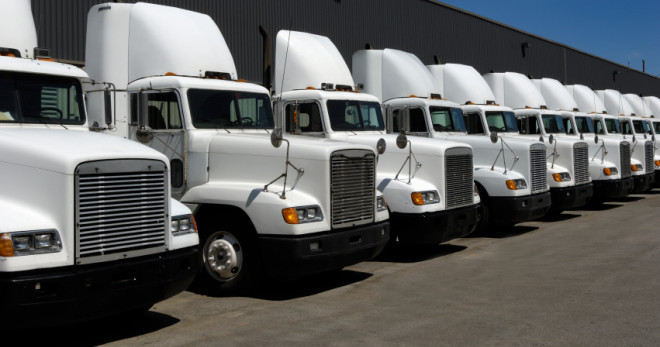
Fleet insurance is a single commercial policy — or a bundled package of coverages — that insures multiple commercial vehicles under one plan instead of insuring each truck separately. For a Fort Worth trucking company running five, ten, fifty, or more vehicles, insurance simplifies administration, often reduces overall premium costs, and makes sure every truck in your operation carries consistent, adequate protection.
Instead of juggling separate policies with different renewal dates, different deductibles, and different agents, fleet insurance rolls your entire operation into one coordinated program. That means one point of contact, one renewal cycle, and — usually — better pricing because insurers like writing volume. A well-structured insurance policy typically includes:
- Commercial auto liability
- Physical damage coverage (comprehensive and collision)
- Motor truck cargo insurance
- Non-trucking liability
- General liability
- Trailer interchange coverage
- Uninsured/underinsured motorist protection
- Hired and non-owned auto coverage
The exact combination depends on what your fleet hauls, where it operates, and whether your drivers run under your own DOT authority or lease on to a motor carrier. That’s why fleet insurance isn’t something you can shop for on price alone — the structure of the policy matters just as much as the premium.
Why Fort Worth Trucking Companies Need Localized Insurance
Every city has its own risk profile, and Fort Worth is no exception. Insurance underwriters don’t just look at your business type — they look at where your trucks actually drive, park, and load. That’s why fleet insurance written for a Fort Worth-based fleet should reflect the realities of North Texas roads and traffic patterns, not a generic national average.
A few local factors that directly affect insurance pricing and coverage decisions in Fort Worth include:
Heavy freight corridors. I-35W, I-20, I-30, and I-820 all converge in and around Fort Worth, creating some of the busiest truck traffic in the state. More traffic density means more accident exposure, which is a major factor underwriters weigh when quoting fleet insurance.
Industrial and rail activity. The BNSF Alliance intermodal yard and the broader Alliance Texas development have turned north Fort Worth into a major freight and warehousing hub. Fleets running short-haul and drayage routes in this area face different risk exposures than long-haul carriers, and insurance needs to account for that.
Weather exposure. North Texas is no stranger to hailstorms, high winds, and the occasional ice event during winter months. Physical damage coverage within a fleet insurance policy is especially important here, since hail and severe weather claims are common across the Dallas-Fort Worth Metroplex.
Urban and rural mix. Fort Worth fleets often operate both inside dense city traffic and out toward more rural stretches of Parker, Tarrant, and Johnson counties. An insurance policy should be flexible enough to price and cover both environments accurately.
Construction growth. With ongoing residential and commercial construction throughout Fort Worth and surrounding suburbs like Haslet, Saginaw, and Burleson, dump truck and flatbed operators supporting that growth need fleet insurance that reflects jobsite risk, not just highway risk.
When an agent understands these local variables, they can build an insurance program that’s priced fairly and structured to actually respond when a claim happens — not one that leaves gaps because it was written using generic assumptions.
What Does Fleet Insurance Actually Cover?
Because “insurance” is really a bundle of several coverage types working together, it helps to break down what each piece is doing for your business.
Commercial Auto Liability
This is the foundation of any fleet insurance program and is required by both Texas state law and federal DOT regulations for most commercial carriers. It pays for bodily injury and property damage you cause to others in an accident. Minimum limits vary depending on cargo type — hauling hazardous materials, for example, requires significantly higher liability limits under federal rules.
Physical Damage Coverage
Comprehensive and collision coverage protect your own trucks and trailers from things like collisions, theft, vandalism, fire, and weather damage. For a Fort Worth fleet, this piece of your insurance policy matters a lot given the region’s hailstorm history.
Motor Truck Cargo Insurance
This covers the freight you’re hauling if it’s damaged, lost, or stolen in transit. Cargo coverage limits and exclusions vary widely depending on what you haul — flatbed loads, fuel, refrigerated freight, and general commodities all carry different risk profiles that your fleet insurance policy needs to reflect accurately.
General Liability
While auto liability covers accidents involving your vehicles on the road, general liability protects your business against claims that happen off the road — like a visitor getting injured at your terminal or yard.
Non-Trucking Liability
For owner-operators leased to a motor carrier, non-trucking liability covers you when you’re using the truck for personal reasons or between dispatched loads, when the motor carrier’s policy doesn’t apply.
Trailer Interchange Coverage
If your fleet regularly swaps trailers with other carriers, trailer interchange coverage protects trailers that aren’t owned by your company but are in your possession under an interchange agreement.
Workers’ Compensation
If you employ drivers directly rather than working with independent contractors, Texas doesn’t mandate workers’ comp for most private employers, but many insurance programs still include or offer it, since it protects your business from costly injury lawsuits.
Bundling these coverages under one fleet insurance program, rather than piecing them together separately, tends to reduce administrative headaches and often results in better overall pricing because carriers can spread risk across your entire fleet rather than underwriting each unit in isolation.
What Determines Insurance Costs in Fort Worth?
There’s no single flat rate for fleet insurance — every quote is built around a combination of factors specific to your operation. Understanding these variables helps you make smarter decisions and spot ways to lower your premium without cutting corners on protection.
- Number and type of vehicles. An insurance quote for ten box trucks looks very different from one covering ten tractor-trailers or dump trucks, since vehicle weight, value, and use case all affect risk.
- Radius of operation. Local, regional, and long-haul fleets are priced differently. A Fort Worth fleet running tight regional routes within the Metroplex may see different pricing than one running interstate loads across the country.
- Driver experience and safety record. Underwriters look closely at driver CDL history, years of experience, and any prior violations. A fleet insurance program with experienced, safety-conscious drivers typically sees better rates.
- Cargo type. Hauling general freight is priced differently than hauling fuel, hazardous materials, or high-value goods, since the potential loss severity changes significantly.
- Claims history. Just like personal auto insurance, a fleet’s claims history directly impacts insurance premiums. A clean record over the past three to five years is one of the strongest ways to keep costs down.
- Equipment age and condition. Newer, well-maintained trucks and trailers often qualify for better physical damage rates within a fleet insurance policy than older equipment nearing end of life.
- Coverage limits and deductibles. Higher liability limits and lower deductibles increase premium, while adjusting deductibles strategically can help balance monthly costs against out-of-pocket risk.
- DOT compliance record. A strong CSA (Compliance, Safety, Accountability) score and clean DOT audit history can meaningfully lower insurance costs, since it signals lower risk to underwriters.
A good agent will walk through each of these factors with you honestly, rather than just quoting the cheapest number and hoping it sticks. Fleet insurance is one of those products where the lowest bid isn’t always the best value — a policy with thin limits or excluded coverage can cost you far more than the premium you saved if a serious claim ever hits.
Insurance for Specialty Trucking Operations
Not every Fort Worth fleet looks the same, and fleet insurance shouldn’t treat them like they do. Here’s how coverage needs shift across different specialty operations common in the area:
Box Truck Fleets — Operators running 16′ to 26′ straight trucks for local and regional deliveries need insurance built around primary liability, cargo protection, and physical damage, with non-trucking liability added for leased operators.
Flatbed Fleets — Hauling steel, lumber, and construction materials means higher exposure to load securement issues and roadside damage, so flatbed fleet insurance should include strong cargo and physical damage protection.
Dump Truck Fleets — With Fort Worth’s ongoing construction boom, dump truck operators face jobsite risks like rollovers and loading injuries. Insurance for dump truck operations often layers in general liability and, where appropriate, workers’ compensation.
Fuel Hauler Fleets — Transporting gasoline, diesel, or other petroleum products requires high-limit liability and environmental/pollution coverage as part of a properly structured fleet insurance program.
Tow Truck and Roadside Fleets — On-hook towing coverage and garagekeepers liability are essential additions to standard insurance for towing operators working Fort Worth’s busy highways.
Tractor-Trailer Fleets — Long-haul and regional carriers need fleet insurance with strong cargo, physical damage, and trailer interchange provisions to match the scale of interstate operations.
Cargo Van Fleets — Courier and delivery operators need insurance emphasizing cargo protection and hired/non-owned auto coverage, especially for businesses using a mix of company-owned and contracted vehicles.
No matter which category your business falls into, the underlying principle is the same: fleet insurance should be built around what you actually haul and where you actually drive, not a generic template.
Staying Compliant While Protecting Your Fleet
Insurance in the trucking industry doesn’t exist in a vacuum — it’s tied directly to federal and state compliance requirements. Motor carriers operating under their own authority typically need:
- BOC-3 filings, which designate process agents in each state you operate in
- MCS-90 endorsements, required by the FMCSA for carriers hauling certain freight types
- Proof of financial responsibility, which your fleet insurance carrier files directly with the FMCSA
- State-specific minimum liability limits, which vary depending on cargo and vehicle weight
An insurance provider that understands DOT compliance can help make sure your filings are accurate and submitted on time, so you’re not caught off guard during an audit or new authority application. This is one of the most overlooked benefits of working with a local, specialized agency rather than a big national call center — someone who actually understands Texas trucking compliance can catch problems before they become violations.
Choosing the Right Fleet Insurance Partner in Fort Worth
Not all agencies are built to handle insurance well. Here’s what to look for when comparing options for your Fort Worth trucking business:
Access to multiple carriers. An independent agency that works with several insurance companies can shop your fleet insurance across markets to find the best combination of price and coverage, rather than pushing you toward a single carrier’s product regardless of fit.
Trucking-specific expertise. Insurance for trucking is a specialized niche. An agent who understands cargo classifications, DOT filings, and equipment-specific risk will structure your policy far more accurately than a general commercial insurance broker.
Fast claims support. When a truck is down, every day off the road costs money. A fleet insurance provider with responsive claims handling and 24/7 support helps minimize downtime after an accident.
Instant certificate access. Many shippers and brokers require a Certificate of Insurance before they’ll dispatch a load. Look for an insurance provider that can issue COIs instantly rather than making you wait on hold.
Local presence. An agency physically based in Fort Worth understands the region’s traffic patterns, weather risk, and construction growth firsthand — details that directly shape how your fleet insurance policy should be built.
Why Local Businesses Trust Fort Worth Commercial Truck Insurance
Fort Worth Commercial Truck Insurance, located at 1300 Summit Ave Suite 950 in Fort Worth, has built its reputation on exactly the kind of specialized, trucking-focused insurance service described above. The agency works with multiple major insurance carriers, giving fleet owners access to competitive quotes without sacrificing coverage quality.
From box trucks and flatbeds to dump trucks, fuel haulers, tow trucks, tractor-trailers, and cargo vans, the agency structures fleet insurance around the specific equipment and freight type each client operates. Clients also get access to instant Certificate of Insurance issuance, 24/7 availability, and hands-on guidance with DOT compliance, including BOC-3 and MCS-90 filings — the kind of support that keeps a growing fleet moving without unnecessary delays.
With a 4.6-star rating across more than 500 reviews, the agency has earned a reputation for responsiveness and follow-through, qualities that matter most when a claim needs attention or a new DOT authority needs to get on the road quickly.
Getting an Insurance Quote for Your Fort Worth Operation
If your business runs multiple commercial vehicles anywhere in the Fort Worth area — whether you’re based near the Stockyards, out toward Alliance, or south along I-35W toward Burleson — it’s worth getting a fresh look at your current fleet insurance setup. Rates change, risk factors shift, and policies written years ago may no longer reflect how your business actually operates today.
A quick review can reveal whether your current insurance program has gaps in cargo coverage, outdated liability limits, or pricing that no longer reflects your claims history. It can also uncover savings opportunities you might be missing simply because your policy hasn’t been re-shopped in a while.
Getting a quote typically takes just a few basic details: number and type of vehicles, radius of operation, driver information, and current coverage limits. From there, an experienced agent can compare options across multiple carriers to build an insurance package that actually fits your business, rather than forcing your operation into a generic template.
Final Thoughts on Insurance for Fort Worth Trucking Companies
Running a trucking operation in Fort Worth means dealing with heavy freight corridors, unpredictable Texas weather, a booming construction sector, and constant regulatory requirements — all at once. Insurance is what ties all of those moving pieces together into one coordinated layer of protection, and getting it right can be the difference between a minor incident and a business-ending event.
Whether you’re running a handful of box trucks or managing a growing fleet of tractor-trailers, the right insurance program should be built around your actual operation: your routes, your equipment, your cargo, and your local risk environment. Working with an agency that understands Fort Worth’s trucking landscape — not just insurance in general — is one of the smartest moves a fleet owner can make.
For trucking companies and owner-operators throughout Fort Worth, Fort Worth Commercial Truck Insurance offers the kind of specialized insurance expertise, multi-carrier access, and responsive service that keeps fleets protected, compliant, and moving forward.
Frequently Asked Questions
How many trucks do I need before a fleet policy makes sense? There’s no strict cutoff, but most agencies start offering true fleet pricing and consolidated administration once a business runs two or more commercial vehicles. Even a small operation with three or four trucks can benefit from bundling coverage under one program instead of managing separate policies with different renewal dates. As your operation grows toward ten, twenty, or more units, the administrative savings and pricing advantages of a consolidated program become even more significant.
Can I add or remove vehicles from my policy mid-term? Yes. Most commercial programs flex as your business changes. If you purchase a new truck, retire an old one, or bring on a leased owner-operator, your agent should adjust the schedule of covered vehicles without forcing you to wait until renewal.
Does my policy cover leased owner-operators? It depends on your business structure. If drivers lease their trucks to your authority, you’ll typically need primary liability on your program plus non-trucking liability for the owner-operator’s personal use. A knowledgeable agent will review your leasing arrangements to make sure everyone is properly protected.
What happens if I switch providers mid-policy? Switching carriers mid-term is possible, though it usually makes sense to time the change around your renewal date to avoid short-rate cancellation penalties. An experienced agent can review your current policy, identify the cancellation terms, and help you decide whether switching now or waiting a few months makes more financial sense.
Do I need separate coverage for trailers? Trailers are often covered under physical damage provisions within your existing policy, but coverage details vary depending on ownership. Owned trailers are typically scheduled directly, while trailers you don’t own but regularly haul under interchange agreements need a separate trailer interchange endorsement. It’s worth double-checking this detail, since it’s a common gap in coverage for growing operations.
How quickly can I get a Certificate of Insurance? Many brokers and shippers won’t dispatch a load without proof of coverage in hand. A responsive agency should be able to issue a Certificate of Insurance same-day, and some even offer instant online access so you can generate one yourself without waiting on a phone call.
Ready to review your insurance options? Call (817) 842-9366 or request an online quote to get started.
