
Cargo Van Insurance in Fort Worth, TX: The Complete Guide for Local Drivers and Small Businesses
If you make your living behind the wheel of a Transit, Sprinter, ProMaster, or NV cargo van anywhere between the Stockyards and the Chisholm Trail Parkway, you already know Fort Worth traffic doesn’t slow down for anyone. Between the freight moving through the Alliance corridor, the delivery routes crisscrossing downtown and the Near Southside, and the constant construction along I-35W, I-20, and Loop 820, your van sees more miles — and more risk — than most personal vehicles ever will. That’s exactly why cargo van insurance exists, and why getting it right matters so much for Fort Worth business owners.
Whether you’re an owner-operator hauling freight under your own authority, a courier running last-mile deliveries for a regional distributor, a contractor hauling tools and materials to job sites in Arlington Heights or Weatherford, or a small fleet owner managing five or six vans out of a yard near the Stockyards, cargo van insurance is the coverage that stands between a single bad accident and the end of your business. This guide walks through everything Fort Worth drivers need to know about cargo van insurance — what it covers, what it costs, how Texas and federal rules affect your policy, and how to find the right agency to write it.
What Is Cargo Van Insurance, Exactly?
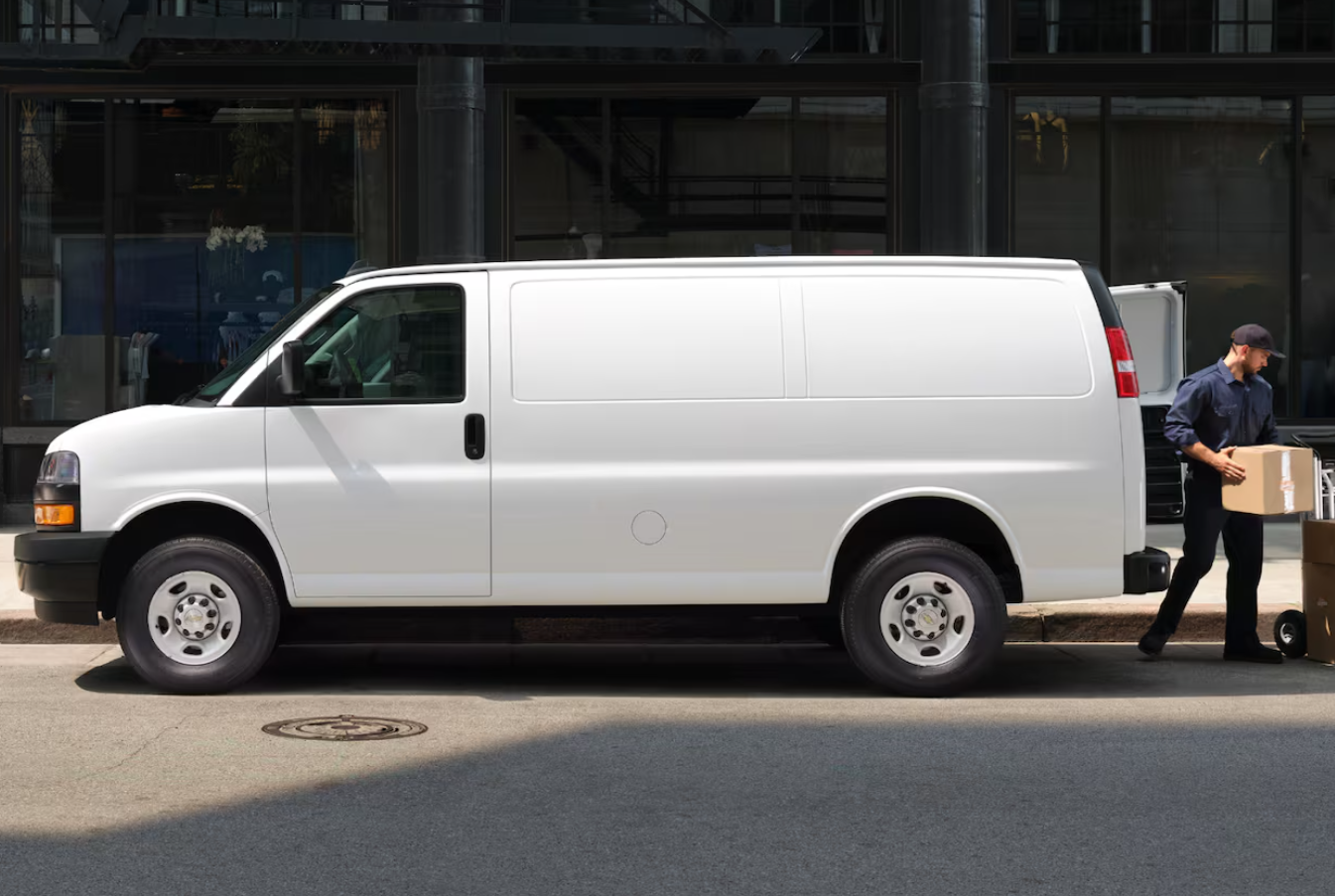
Cargo van insurance is a type of commercial auto policy built specifically for vans used to transport goods, equipment, or freight rather than passengers. It differs from a personal auto policy in a few important ways. Personal auto insurance is written to protect a private vehicle used for errands, commuting, and family trips. The moment that same van is used to generate income — deliveries, courier runs, hauling materials for clients, or freight under a motor carrier authority — a personal policy will typically deny a claim. That’s when cargo van insurance becomes not just useful, but necessary.
A properly structured cargo van insurance policy usually bundles together several types of protection:
- Commercial auto liability – covers bodily injury and property damage you cause to others in an at-fault accident.
- Physical damage coverage – comprehensive and collision protection for your own van, covering theft, vandalism, weather damage, and collision repairs.
- Motor truck cargo coverage – protects the freight or goods you’re hauling if it’s damaged, lost, or stolen while in transit.
- General liability – protects your business against third-party injury or property damage claims unrelated to the vehicle itself.
- Hired and non-owned auto coverage – extends protection to vans you rent or that employees use for business purposes.
- Rental reimbursement – helps cover the cost of a replacement van while yours is in the shop after a covered claim.
For Fort Worth business owners, the right combination of these coverages depends heavily on how the van is used, what’s being hauled, and whether you’re operating under your own DOT authority or as a contracted driver for another company.
Why Fort Worth Drivers Need Cargo Van Insurance Specifically
Fort Worth is one of the busiest logistics hubs in North Texas, and that’s not an accident. The city sits at the crossroads of I-35W, I-30, I-20, and Loop 820, with the Alliance Global Logistics Hub just to the north pulling in warehousing, e-commerce fulfillment, and last-mile delivery operations by the dozen. That means more cargo vans on the road, more delivery drivers navigating tight downtown streets near Sundance Square, and more contractors moving equipment between job sites in Fort Worth, Haltom City, White Settlement, and Benbrook.
All of that activity adds up to real exposure. A cargo van making a dozen stops a day in stop-and-go traffic on Camp Bowie Boulevard or University Drive is statistically far more likely to be involved in a fender-bender than a car that’s parked in a driveway most of the week. Add in Texas’s size — many Fort Worth-based drivers run routes out to Weatherford, Cleburne, Denton, or even Dallas and beyond — and the miles pile up fast. Every one of those miles is an opportunity for an accident, a cargo claim, or a theft, which is exactly why cargo van insurance is built the way it is.
There’s also a regulatory angle. If you’re operating under your own motor carrier authority, the Federal Motor Carrier Safety Administration requires you to carry certain minimum levels of liability coverage, and you may need to file proof of insurance such as an MCS-90 endorsement or a BOC-3 filing. Even if you’re not running under your own authority — say, you’re leased to a larger carrier or working as an independent contractor for a delivery platform — many of the companies that hire cargo van drivers in the Fort Worth area will require proof of commercial coverage before they’ll even let you on their lot. Cargo van insurance isn’t optional in these situations; it’s a condition of doing business.
Who Actually Needs Cargo Van Insurance in Fort Worth?
A lot of van owners assume commercial coverage is only for big delivery companies, but cargo van insurance applies to a much wider range of Fort Worth businesses than most people expect:
- Independent couriers and last-mile delivery drivers who contract with regional distributors, medical supply companies, or e-commerce fulfillment centers around the Alliance corridor.
- Contractors and tradespeople — electricians, HVAC techs, plumbers, and general contractors — who use a cargo van to haul tools, parts, and materials between job sites in Fort Worth and the surrounding suburbs.
- Small fleet operators running three, five, or ten vans out of a single yard, often serving multiple clients across the Dallas–Fort Worth metroplex.
- Owner-operators under their own DOT authority who use a cargo van instead of a straight truck for lighter regional freight.
- Mobile service businesses — mobile detailing, catering, mobile pet grooming — where the van itself is both the workspace and the delivery vehicle.
If your van ever leaves your driveway to generate income, cargo van insurance is almost certainly required, and skipping it is one of the fastest ways to expose your business to a lawsuit or an uninsured loss.
What Does Cargo Van Insurance Cost in Fort Worth, TX?
Pricing for cargo van insurance varies quite a bit depending on several factors specific to your operation:
- Radius of operation – A van that stays within Fort Worth city limits typically costs less to insure than one running long regional or interstate routes.
- Cargo hauled – Hauling general freight or tools is cheaper to insure than hauling high-value electronics, pharmaceuticals, or hazardous materials.
- Driving history – Clean driving records translate directly into lower premiums.
- Years in business – Newer operations often pay more until they establish a claims history.
- Vehicle value and age – A newer Sprinter or Transit costs more to physically insure than an older, paid-off van.
- Coverage limits – Higher liability limits and lower deductibles increase the premium, but they also provide stronger protection if something goes wrong.
- Number of vehicles and drivers – Fleet policies often bring per-unit savings compared to insuring a single van.
Because so many variables affect pricing, there’s no single “average” cost that applies to every Fort Worth business. The best way to get an accurate number is to work with an agency that can shop your coverage across multiple carriers rather than pricing it through a single insurer.
Texas Requirements and Federal Rules That Affect Your Policy
Texas doesn’t set a blanket minimum liability requirement specifically for commercial cargo vans the way it does for passenger vehicles, but if you’re operating under a motor carrier authority — even a small one-van operation — federal minimums apply, and they’re significantly higher than personal auto minimums. Depending on what you haul and your gross vehicle weight, you may need anywhere from $300,000 to $1,000,000 or more in liability coverage.
On top of liability, many Fort Worth clients, brokers, and delivery platforms will contractually require:
- Minimum motor truck cargo limits (often $10,000–$100,000 depending on the freight)
- Proof of insurance filed directly with the Texas Department of Motor Vehicles or FMCSA
- Additional insured status naming the client or broker on your certificate
- Non-trucking liability if the van is sometimes used off-dispatch
A knowledgeable agency will know exactly which of these apply to your specific setup and will make sure your policy is structured to satisfy every contract you’re bound by — so you’re never caught scrambling before a big job.
Common Coverage Gaps to Watch For
Plenty of Fort Worth van owners think they’re covered until a claim reveals a gap. Some of the most common issues include:
- Using a personal auto policy for business use. This is the single most common and most costly mistake. The moment an insurer discovers commercial use on a personal policy, a claim can be denied outright.
- No cargo coverage. Liability protects other people and property, but it does nothing for the freight inside your van if it’s stolen or damaged.
- Underinsured cargo limits. Hauling $50,000 worth of electronics with a $10,000 cargo limit leaves a huge gap if something goes wrong.
- Missing non-trucking liability. If you’re leased to a carrier but sometimes use the van for personal errands or non-dispatched trips, this gap can leave you exposed.
- No hired/non-owned coverage for rented replacement vans or vehicles driven by employees who don’t own the van themselves.
A well-built cargo van insurance policy closes every one of these gaps before they become a claim you’re paying for out of pocket.
How to Choose the Right Cargo Van Insurance Agency in Fort Worth
Not every agency understands the nuances of commercial trucking and delivery coverage, and that gap shows up fast when it’s time to file a claim or produce a certificate of insurance on short notice. When comparing agencies for cargo van insurance in Fort Worth, look for a few key things:
- Access to multiple carriers. An agency that only quotes one insurance company can only offer one price and one set of terms. An independent agency that shops your policy across several carriers is far more likely to land you competitive pricing and the right coverage structure.
- Industry expertise. Commercial trucking and delivery coverage is a specialty, not a side product. Agencies that focus specifically on commercial vehicles understand DOT filings, cargo limits, and contract requirements far better than a general personal-lines agency.
- Fast certificate turnaround. If you’re leased to a carrier or contracting with a delivery platform, you may need a Certificate of Insurance the same day. Some agencies even offer instant online COI access so you’re never stuck waiting on a fax or a phone call.
- Claims support. A good agency doesn’t disappear after the policy is written. When an accident happens, you want someone who will fight for your claim, not just process paperwork.
- Local knowledge. An agency based in Fort Worth understands the specific routes, risks, and regulatory environment of North Texas better than a call center in another state.
Getting Your Cargo Van Insurance Quote in Fort Worth
At Fort Worth Commercial Truck Insurance, we work with all the major commercial insurance carriers to find cargo van insurance that fits both your budget and the way you actually run your business. Whether you’re a solo courier working the Alliance corridor, a contractor running tools between job sites near TCU and the Cultural District, or a growing fleet dispatching vans across the metroplex, our team can build a policy around commercial auto liability, physical damage coverage, motor truck cargo protection, and any additional coverage your contracts require.
We’re on call to help with:
- New commercial cargo van insurance policies for owner-operators and small businesses
- Fleet policies for multiple vans under one business
- DOT and federal filings, including BOC-3 and MCS-90 requirements
- Instant Certificates of Insurance so you’re never stuck waiting on paperwork
- Reviewing existing van coverage for gaps or overpriced premiums
Because we work with multiple carriers rather than a single insurance company, we can shop your coverage around and compare rates side by side, rather than presenting you with a single take-it-or-leave-it quote.
Fort Worth Neighborhoods and Industries Where Van Coverage Matters Most
Fort Worth isn’t one uniform market, and the risks a van faces change block by block. Near the Stockyards and North Side, drivers deal with heavy tourist foot traffic, tight turns, and older streets that weren’t designed for modern delivery volume. Downtown and the Near Southside bring dense parking, frequent double-parking for quick drop-offs, and a steady stream of pedestrians around Sundance Square and the medical district near Magnolia Avenue. Out west along Camp Bowie Boulevard and into the Cultural District, drivers navigate museum traffic and event crowds several nights a week.
Head north toward the Alliance corridor and the picture changes entirely. This is warehouse and logistics country, with massive distribution centers, constant truck and van traffic on the access roads, and drivers making dozens of stops per shift for e-commerce fulfillment. South and east of downtown, industrial parks and rail yards create a different mix of hazards — forklifts, loading docks, and tight yard maneuvering that put extra wear on a van’s body panels and increase the odds of a low-speed collision.
Contractors face their own version of this problem. A plumber or electrician driving between job sites in Arlington Heights, Ridglea, or out toward Benbrook is constantly loading and unloading tools, often parking on residential streets where theft and break-ins are common. Mobile service businesses — mobile mechanics, pet groomers, and caterers — face a different risk profile, since their vans double as a workspace and often sit parked for extended periods at a single stop.
All of these scenarios point to the same conclusion: a one-size-fits-all policy rarely fits a real Fort Worth operation. The right agency will ask about your routes, your typical stops, and the value of what you’re hauling before recommending coverage limits.
What Happens When You File a Claim
Understanding how the claims process works before you ever need it can save enormous amounts of stress later. After an accident or loss, most commercial policies expect you to:
- Document the scene immediately. Photos of the vehicles, the surrounding area, any damaged cargo, and the other driver’s information all matter later.
- Report the incident to your agency or carrier promptly. Delayed reporting can complicate a claim, especially if a police report or witness statements are involved.
- Keep your business running while the claim is processed. This is where rental reimbursement and a responsive agency make a real difference — you shouldn’t have to choose between missing income and rushing a repair.
- Provide documentation of the cargo’s value if a shipment was lost, stolen, or damaged, since motor truck cargo coverage typically requires proof of what was actually being hauled.
- Work with an adjuster who understands commercial vehicles. Personal auto adjusters aren’t always familiar with cargo limits, non-trucking liability, or the contractual requirements tied to commercial hauling, which is another reason working with a specialized agency pays off.
A carrier and agency that handle commercial claims regularly will typically move faster, keeping a bad day on the road from turning into weeks of downtime.
Tips for Lowering Your Premium Without Cutting Corners
Fort Worth business owners often ask how to bring costs down without sacrificing protection. A few strategies tend to make the biggest difference:
- Bundle policies where it makes sense. Combining auto liability, cargo, and general liability with one carrier can sometimes reduce overall cost compared to piecing coverage together separately.
- Install a dash cam or telematics device. Many carriers offer discounts for vans equipped with cameras or GPS-based safety monitoring, since it reduces disputed liability in an accident.
- Set realistic cargo limits. Overinsuring cargo you rarely haul wastes premium dollars, while underinsuring valuable freight creates a gap — matching the limit to what you actually carry keeps pricing efficient.
- Maintain a clean driving record. This remains one of the single biggest factors in commercial pricing, and it’s fully within your control.
- Review your policy annually. As your routes, cargo, or fleet size change, your coverage should change with it. An annual review with your agent catches both overpayment and coverage gaps before they become expensive surprises.
Frequently Asked Questions About Cargo Van Insurance in Fort Worth
Do I need cargo van insurance if I only make local deliveries? Yes. Even short, local routes count as commercial use once the van is generating income, and a personal auto policy generally won’t cover a business-use claim regardless of how few miles you drive.
Is cargo van insurance different from regular commercial auto insurance? Cargo van insurance is a specific type of commercial auto policy built around the way vans are actually used — deliveries, courier work, and hauling goods or equipment — so it typically includes motor truck cargo coverage that a standard business auto policy may not.
Can I get cargo van insurance if I’m a new business with no claims history? Yes, though pricing may be higher until you establish a track record. Working with an agency that shops multiple carriers gives new operations the best shot at competitive rates.
Does cargo van insurance cover the goods I’m hauling, or just the van itself? A properly structured policy covers both — physical damage coverage protects the van, while motor truck cargo coverage protects what’s inside it.
How fast can I get a Certificate of Insurance for a new contract? Many agencies, including ours, can issue a Certificate of Insurance the same day, and some even offer instant online access so you can generate your own COI whenever a client or broker requests one.
Protect Your Fort Worth Business With the Right Cargo Van Insurance
Your van is more than a vehicle — it’s the engine of your business, whether you’re delivering packages across the metroplex, hauling tools to a job site, or running freight under your own authority. One accident, one theft, or one damaged shipment without the right coverage in place can undo years of hard work in a single afternoon.
Fort Worth Commercial Truck Insurance has helped owner-operators, contractors, couriers, and fleet owners across Fort Worth and the surrounding North Texas region find cargo van insurance that actually fits how they work. We shop your policy across multiple carriers, help you meet every DOT and contractual requirement, and can get you a Certificate of Insurance fast when a new job depends on it.
Ready to get your cargo van insurance quote? Call us today at (817) 842-9366, or request an online quote to get started. Our office is located at 1300 Summit Ave, Suite 950, Fort Worth, TX 76102, and we’re proud to serve cargo van owners and operators throughout Fort Worth, Arlington, Haltom City, Weatherford, and the entire Dallas–Fort Worth metroplex.
