
Box Truck Insurance in Fort Worth, TX: The Complete Guide for Owner-Operators and Fleets
If you run a box truck in Fort Worth, Texas, you already know the city doesn’t slow down. Between the warehouses lining Alliance Gateway, the distribution centers off I-20 and I-35W, and the last-mile delivery routes weaving through the Stockyards, Near Southside, and downtown, box trucks are the backbone of how goods actually get where they’re going. That’s exactly why box truck insurance isn’t a box to check off a to-do list. It’s the financial foundation that keeps your business on the road when something goes wrong.
This guide walks through everything a Fort Worth business owner, owner-operator, or fleet manager needs to know about this coverage: what it covers, what it costs, how Texas and federal rules shape a policy, and how to shop smart so you’re not overpaying for protection you don’t need, or underinsured for the risks you actually face every day on DFW roads.
Why Fort Worth Businesses Need Box Truck Insurance
Fort Worth sits at the center of one of the busiest logistics corridors in the country. The Alliance Texas development alone moves an enormous volume of freight every day, and that traffic spills onto I-35W, I-20, I-30, and Loop 820 around the clock. Add in the growth of e-commerce delivery, food and beverage distribution, moving and storage companies, and construction material haulers, and you have a city where 16-foot, 20-foot, and 26-foot straight trucks are constantly in motion.
With that much exposure comes risk. A single accident on I-35W during rush hour, a cargo theft in a warehouse parking lot near the Stockyards, or a customer’s furniture damaged during a Near Southside move can turn into a five- or six-figure claim fast. Box truck insurance exists to absorb that financial shock so one bad day doesn’t take down a business you’ve spent years building.
Texas also has specific legal requirements for commercial vehicles, and lenders, brokers, and shippers routinely require proof of coverage before they’ll work with you. Without a properly structured policy in place, you may not legally be able to operate, and you almost certainly won’t be able to land contracts with serious freight partners or moving clients across the Dallas-Fort Worth metro.
What Is Box Truck Insurance, Exactly?
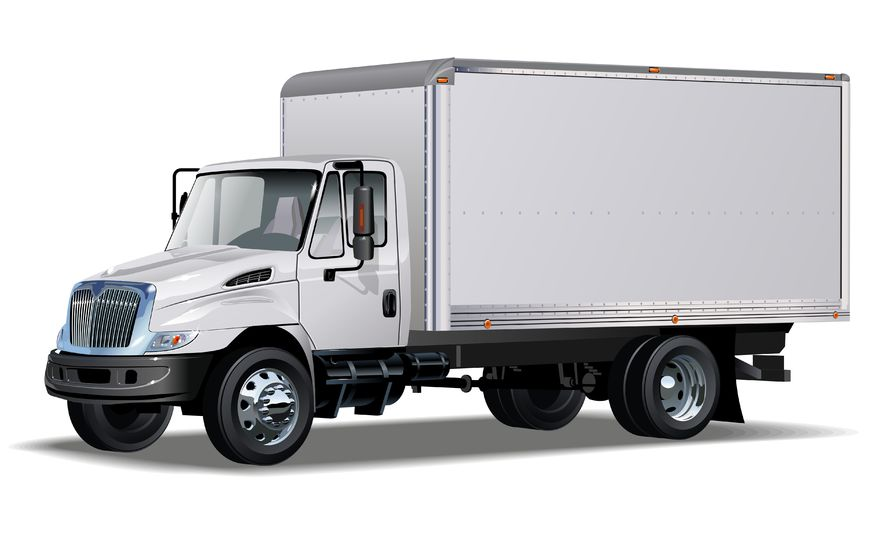
This type of policy is a category of commercial auto coverage built specifically for straight trucks — the kind with an enclosed cargo box mounted directly on the chassis, typically ranging from 16 to 26 feet in length. Unlike a personal auto policy, or even a standard business auto policy, this coverage is underwritten with commercial hauling, cargo exposure, and DOT compliance in mind.
A well-built policy for a Fort Worth box truck typically includes several core components:
Primary Auto Liability This is the coverage that pays for bodily injury or property damage you cause to someone else in an accident. Texas requires minimum liability limits for commercial vehicles, but most box truck insurance policies carry limits well above the state minimum, especially if you’re leased to a motor carrier or hauling under your own DOT authority.
Physical Damage Coverage (Comprehensive and Collision) This portion of the policy protects the truck itself. Comprehensive covers non-collision events like theft, vandalism, fire, or hail — which matters in North Texas given our unpredictable storm seasons — while collision covers damage from an accident regardless of fault.
Motor Truck Cargo Coverage If you’re hauling goods for a customer, cargo coverage is often non-negotiable. It protects the freight inside your box in the event of an accident, theft, or damage in transit. Many shippers and brokers in the Fort Worth area won’t sign a contract with you unless your policy includes adequate cargo limits.
Non-Trucking Liability (Bobtail Coverage) For owner-operators leased to a motor carrier, this covers you when you’re driving the truck for personal use or between dispatches, outside the scope of the carrier’s policy.
General Liability This covers slip-and-fall type incidents or property damage that happens off the road — for example, if you’re loading or unloading at a Fort Worth warehouse and something goes wrong.
Hired and Non-Owned Auto Coverage If your business occasionally rents trucks or uses vehicles it doesn’t technically own, this extension keeps your coverage comprehensive rather than leaving gaps.
Depending on what you haul and how you operate, your agent may also recommend trailer interchange coverage, rental reimbursement, or higher uninsured/underinsured motorist limits, all of which can be folded into a single package rather than juggled across multiple policies.
Who Needs Box Truck Insurance in Fort Worth?
This kind of coverage isn’t just for long-haul trucking companies. In Fort Worth, the businesses that rely on box truck insurance every day include:
- Local and regional movers operating out of neighborhoods like TCU/Westcliff, Arlington Heights, and the Cultural District
- Last-mile delivery contractors working routes tied to Alliance Gateway’s massive distribution footprint
- Food and beverage distributors supplying restaurants across downtown, Sundance Square, and the Near Southside
- Furniture and appliance delivery businesses serving fast-growing suburbs like Crowley, Burleson, and Haslet
- Construction and trades companies hauling tools, materials, and equipment between job sites
- Independent owner-operators leased to a motor carrier or running under their own authority
Whether you own one truck or manage a growing fleet, the underlying principle is the same: if a straight truck is generating revenue for your business, box truck insurance is what protects that revenue stream.
Texas and Federal Requirements That Shape Your Policy
Fort Worth box truck operators need to think about coverage on two levels: state and federal.
Texas Requirements Texas sets minimum financial responsibility limits for commercial vehicles operating within the state. If your box truck is used strictly for intrastate hauling and stays under certain weight thresholds, your requirements may look different than a truck crossing state lines. A local agent familiar with Tarrant County and DFW-area operations can help make sure your policy meets Texas requirements without over- or under-buying coverage.
Federal Motor Carrier Safety Administration (FMCSA) Requirements If you operate under your own DOT authority and cross state lines, or haul certain types of freight, federal minimum liability limits apply, and they’re often significantly higher than state minimums. You may also need filings like the BOC-3 or MCS-90 endorsement, which many Fort Worth trucking insurance agencies can help file directly.
Leasing Requirements If you’re leased to a motor carrier, that carrier will typically dictate specific insurance requirements you must carry, often including non-trucking liability. Getting this wrong is one of the most common reasons owner-operators face coverage gaps, so it’s worth reviewing your lease agreement alongside your box truck insurance policy before you sign anything.
What Affects the Cost of Box Truck Insurance in Fort Worth?
There’s no single number that applies to every business, but several factors consistently move the needle on premiums in the Fort Worth market:
1. Driving History Clean motor vehicle records and CDL history (where applicable) lower risk in the eyes of underwriters, which generally lowers what you pay for coverage.
2. Radius of Operation A box truck that stays within a 50-mile radius of Fort Worth presents different risk than one running long-haul routes across multiple states. Local operators often see more favorable pricing on box truck insurance because of reduced highway exposure.
3. Cargo Type and Value Hauling high-value electronics or pharmaceuticals carries different cargo risk than moving household furniture or building supplies. Cargo value and category directly affect the cargo portion of your policy.
4. Truck Age, Size, and Condition Newer trucks with updated safety features can sometimes qualify for better rates, while older trucks may need higher physical damage reserves built into a policy.
5. Years in Business and Claims History A business with a track record of few or no claims will typically see more competitive quotes than a newer operation still building its safety record.
6. Coverage Limits and Deductibles Higher liability limits and lower deductibles increase premiums, while businesses comfortable with a higher deductible can often reduce their box truck insurance costs in exchange for more out-of-pocket risk if a claim occurs.
7. Fort Worth-Specific Traffic and Weather Patterns Congestion along I-35W, I-20, and Loop 820, combined with North Texas hailstorms and occasional ice events, are all factored into how carriers price coverage for DFW-based fleets.
Because so many variables are in play, the best way to understand real pricing is to get quotes from multiple carriers rather than relying on a single ballpark figure. An independent agency that works with several insurance companies can shop your risk profile and typically find better pricing than going direct to one insurer.
How to Choose the Right Box Truck Insurance Policy
Not every policy is built the same, and the cheapest quote isn’t always the best value. Here’s what to evaluate before you sign:
Match Coverage to How You Actually Operate A box truck used for local furniture delivery around Fort Worth doesn’t need the same structure as one running regional freight lanes into Oklahoma or Louisiana. Be specific with your agent about your radius, cargo type, and whether you’re under your own authority or leased on, so your box truck insurance is built around your real operation rather than a generic template.
Check Cargo Limits Against Your Contracts If shippers or brokers require a specific cargo limit, confirm your policy meets or exceeds it before you agree to a load. Falling short here can cost you the contract, or leave you personally on the hook for a loss.
Ask About Claims Handling and Response Time Coverage is only as good as the support behind it when something actually happens. Look for a box truck insurance provider who offers fast claims processing and can walk you through the process before you ever need to file one.
Review Filings and Compliance Support If you need a BOC-3, MCS-90, or other federal filing, choose a provider who can handle that alongside your policy rather than sending you to a third party.
Look for Flexibility as You Grow If you plan to add trucks, hire drivers, or expand your radius of operation, work with an agency that can scale your coverage instead of forcing you to start over with a new provider every time your business changes.
Get an Instant Certificate of Insurance (COI) Option Many Fort Worth shippers, brokers, and property managers want proof of coverage on short notice. Providers who offer instant COI access make it far easier to keep your box truck insurance documentation current and accessible.
Common Box Truck Insurance Mistakes to Avoid
Underinsuring Cargo Value Some owner-operators choose the lowest cargo limit to save a few dollars a month, only to discover it doesn’t cover a full load when disaster strikes. Review your typical freight value honestly before finalizing your policy.
Assuming Personal Auto Coverage Applies A personal auto policy will almost never cover a vehicle used commercially. If you’re hauling freight or making deliveries for pay, you need dedicated commercial coverage, not a personal policy stretched beyond its intended use.
Skipping Non-Trucking Liability Owner-operators leased to a carrier sometimes assume the carrier’s policy covers them at all times. It typically doesn’t outside of dispatched loads, which is exactly the gap non-trucking liability within a box truck insurance package is designed to close.
Letting Coverage Lapse Between Loads or Seasons Seasonal businesses sometimes let coverage lapse during slow months to save money, not realizing that a lapse can make it harder, and more expensive, to get reinstated coverage later, especially with DOT authority involved.
Not Updating Your Policy as You Grow Adding a truck, hiring a new driver, or expanding into a new state should always trigger a policy review. Outdated box truck insurance can leave real gaps exactly when your business is scaling.
Box Truck Insurance for Owner-Operators vs. Fleets
Owner-Operators If you own and operate a single box truck, whether under your own DOT authority or leased to a carrier, your coverage needs to be lean but complete: liability, physical damage, cargo, and non-trucking liability are usually the core building blocks. Because you’re the sole driver and the sole source of revenue, a lapse or gap hits your business directly.
Small Fleets Once you’re managing multiple trucks and drivers, your coverage program needs to account for driver qualification files, safety scores, and potentially workers’ compensation if you have employees rather than independent contractors. Fleet policies can often be structured with tiered deductibles or blanket cargo limits that simplify management as you scale across the Fort Worth and broader DFW market.
Growing Regional Carriers As fleets expand beyond Tarrant County into surrounding regions, box truck insurance needs to account for varying state requirements, longer average haul distances, and a broader mix of cargo types. This is where working with an agency that has relationships across multiple carriers really pays off, since it allows your coverage to be restructured as your operating footprint changes.
Local Factors That Make Fort Worth Unique
Fort Worth’s economy blends logistics, energy, agriculture, manufacturing, and a booming residential construction market, and each of those sectors leans on box trucks differently. A furniture delivery route through Mansfield and Burleson faces different risk exposure than a route running building materials to a job site near Eagle Mountain Lake, or a courier route weaving through downtown Fort Worth and the Cultural District during afternoon rush hour.
North Texas weather adds another layer. Spring hailstorms are common across Tarrant County, and a single severe storm can damage an entire fleet parked in an open lot overnight. Comprehensive coverage within the right policy is what protects against that kind of weather-driven loss, which is far more common here than in many other parts of the country.
Growth brings its own risks too. Fort Worth’s expansion means more construction traffic, more temporary lane closures, and more unpredictable congestion on routes that used to be simple and direct. All of this is exactly why local, Fort Worth-based guidance matters when structuring box truck insurance. A national call center quote won’t account for how DFW traffic patterns or Tarrant County claims history actually affect your risk, and it won’t know which neighborhoods see the most cargo theft claims or which stretches of highway generate the most collision claims for straight trucks.
Seasonal freight swings matter here as well. Fort Worth sees a noticeable uptick in local moving activity every summer as leases turn over across the metro, and holiday-season delivery volume climbs sharply from October through December. A policy built with those seasonal patterns in mind can help a business avoid being caught underinsured during its busiest, highest-exposure months.
The surrounding communities matter too. Straight trucks based in Fort Worth routinely run routes into Arlington, Grapevine, North Richland Hills, Hurst, Euless, and Bedford, each with its own mix of highway exposure, local ordinances, and traffic patterns. A driver making regular stops in the Cultural District faces different parking and loading conditions than one serving a warehouse near DFW Airport, and both call for a policy built around the actual streets and neighborhoods used, not a broad regional average. An agent who knows the Metroplex and its daily traffic patterns is far more likely to catch these small but important details before they ever turn into a costly claim or an unexpected coverage gap.
Frequently Asked Questions About Box Truck Insurance in Fort Worth
Does Texas require box truck insurance? Yes. Texas sets minimum financial responsibility requirements for commercial vehicles, and if you operate under federal DOT authority, FMCSA minimums apply as well. The specific limits depend on your cargo, radius of operation, and whether you cross state lines.
How much does box truck insurance cost in Fort Worth? Costs vary widely based on driving history, radius of operation, cargo type, truck age, and coverage limits. The best way to get an accurate number is to request quotes from multiple carriers rather than relying on a generic average.
Can I get box truck insurance if I’m just starting out? Yes. New owner-operators and startup fleets can absolutely secure coverage, though rates may be higher until you build a driving and claims history. Working with an agency that understands new-authority operations can help you find realistic starting coverage.
Do I need cargo coverage if I only haul my own goods? If you’re only hauling goods you own, cargo coverage requirements may look different than if you’re hauling for hire. Still, physical damage and liability coverage remain essential parts of any commercial policy.
What’s the difference between box truck insurance and regular commercial auto insurance? This coverage is a more specialized version of commercial auto insurance, built around the specific risks of straight trucks used for freight, delivery, or moving, including cargo exposure and, when applicable, motor carrier compliance requirements that a generic business auto policy doesn’t typically address.
Can one agency handle my box truck insurance and my DOT filings? Often, yes. Many Fort Worth agencies that specialize in trucking coverage can also handle BOC-3 and MCS-90 filings directly, which saves you from coordinating between separate providers while your authority or lease agreement is in process.
Get a Box Truck Insurance Quote in Fort Worth Today
Whether you’re a single owner-operator running local deliveries or managing a growing fleet across the Dallas-Fort Worth metro, the right policy protects your truck, your cargo, your drivers, and your bottom line. Fort Worth Commercial Truck Insurance works with multiple carriers to shop your risk and build coverage tailored to how you actually operate, not a one-size-fits-all template.
Located at 1300 Summit Ave Suite 950, Fort Worth, TX 76102, our team offers instant Certificate of Insurance access, 24/7 support, and hands-on guidance through DOT filings like the BOC-3 and MCS-90. Call us today at (817) 842-9366 or request an online quote to get your coverage built the right way, the first time.
